The Sum of Us
AI, Music and the Future of Human Creativity
At Coachella last month, a simple question from Mo Ghoneim, President of Billboard Canada/UK, set the tone for a much larger debate: if you loved a song on the Billboard charts, only to discover the artist was AI, would that change how you feel?
The audience response was immediate: yes.
I had anticipated that reaction, so I came prepared with a different narrative, one that would complicate the conversation and challenge some of our assumptions about what human-centred AI could look like.
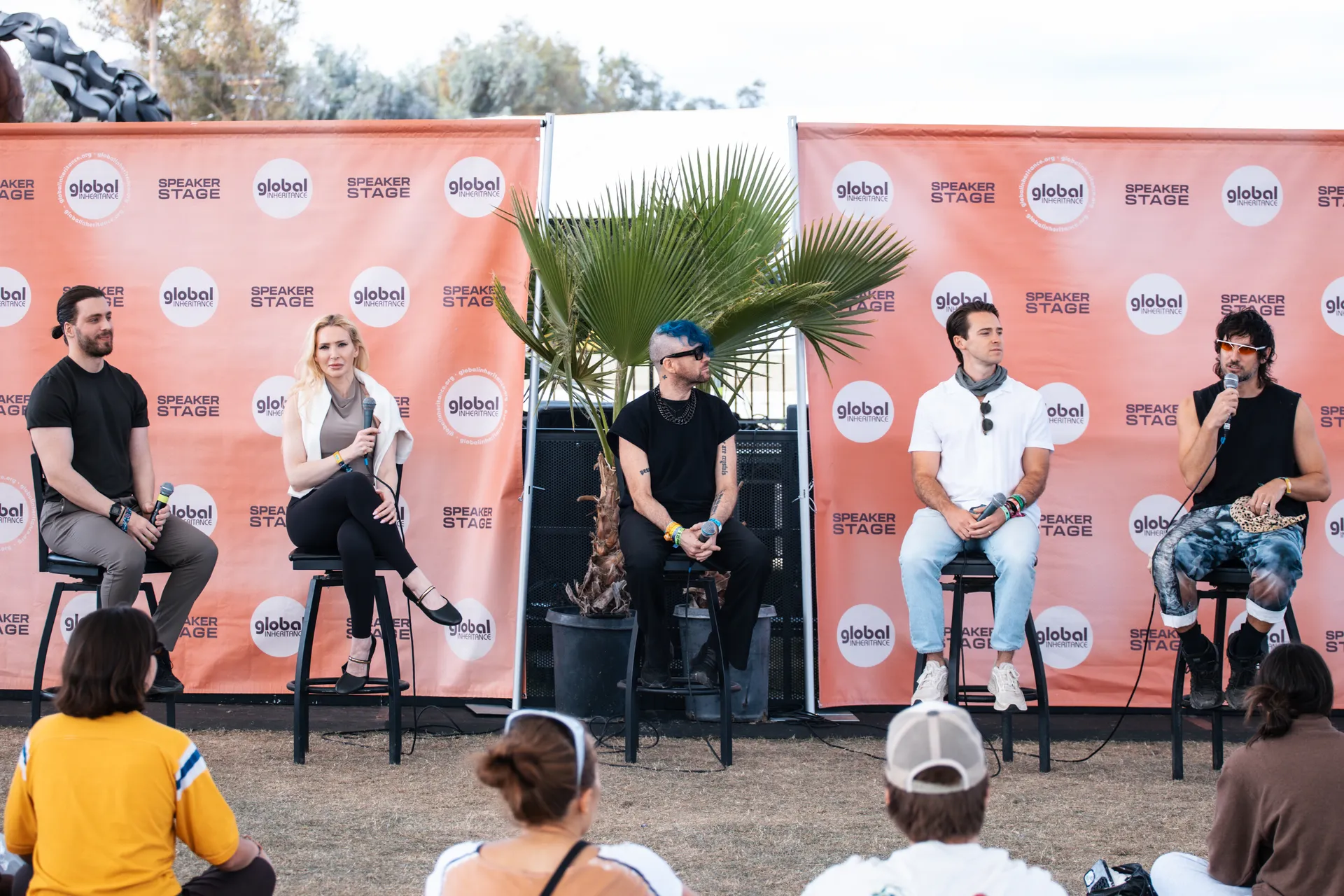
Sutu (far right) on the AI and Music panel at Coachella's Global Speaker Stage, with Mo Ghoneim (Billboard Canada/UK), Danny Klein (Spin Magazine) and Ryan Cenicola (Coachella)
Throughout the panel, concerns surfaced clearly - AI models trained on artists' work without consent, the erosion of authorship, and the growing fear that creativity itself is being outsourced to machines. Elizabeth Crisante from Billboard pointed to the cultural impact of Beyoncé's Lemonade, arguing that “music resonates differently when audiences understand it emerges from lived experience, vulnerability, and truth.”
Electronic artist Robot Sunrise, aka Danny Klein, Creative Director of Spin Magazine, echoed this sentiment, describing how great music often comes from experimentation, accidents, context and friction. AI, by contrast, often produces something polished but predictable - what a lot of folks are passionately dismissing as “AI slop.”
I want to believe that art should remain a reflection of personal experience and human perspective. Yet at the same time, I can't shake the feeling that the ambitions of these AI companies are ultimately directed toward understanding us so deeply that the content they generate will become increasingly difficult to distinguish from human creation.
Add to this the machinery of social media, an attention economy that rewards relentless output, and it's easy to see why artists are being drawn toward AI. Not because they necessarily want to replace the creative process, but because many are exhausted by the feeling that they must produce endlessly just to survive.
Nona Hendryx
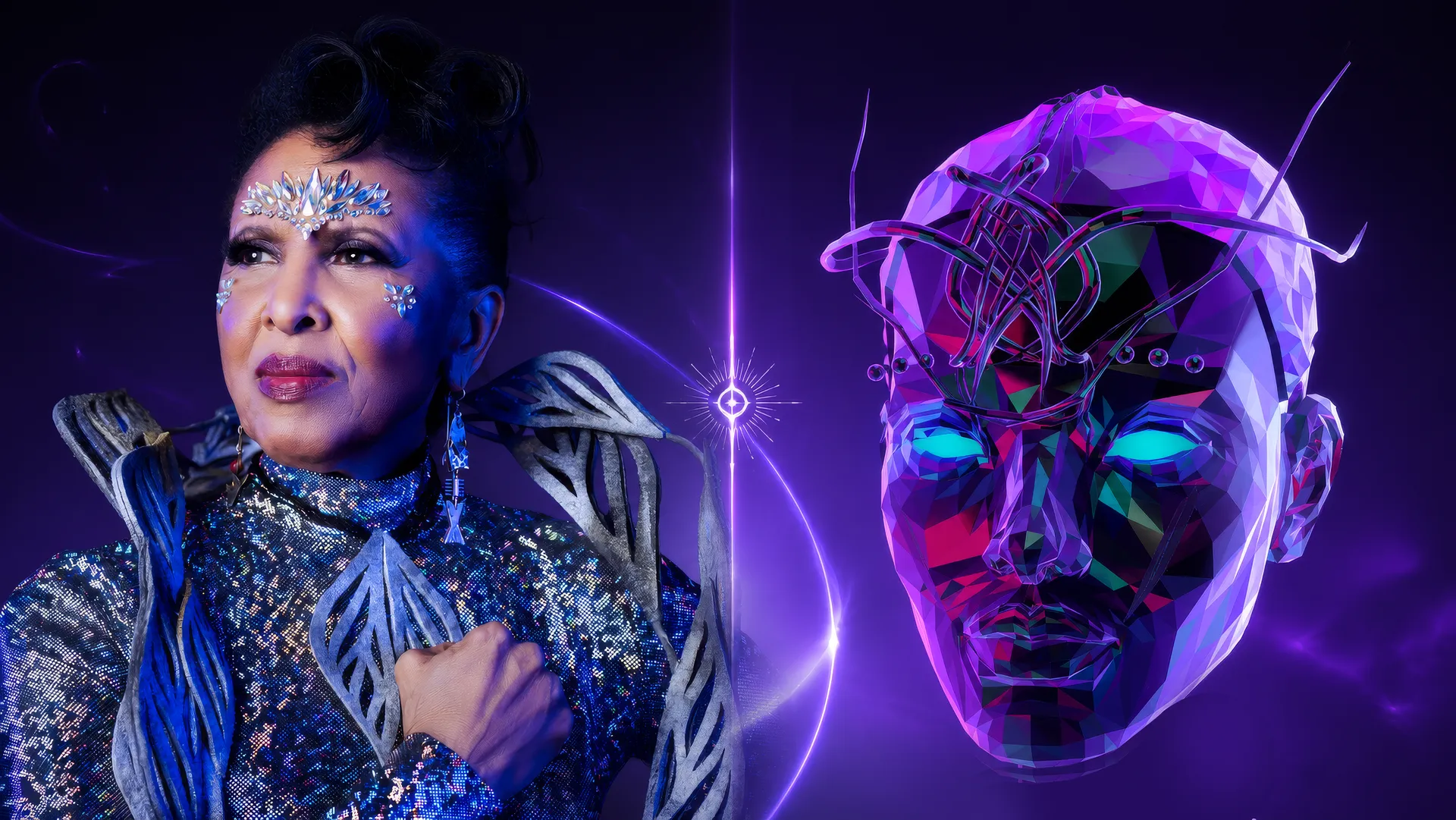
Against this backdrop, I found myself reflecting on my recent collaboration with the artist, musician and futurist Nona Hendryx.
Nona has spent decades pushing beyond the traditional boundaries of music and performance. Best known as a member of Labelle and for the iconic song Lady Marmalade, she has also become a pioneering voice in experimental music, technology, design and Afrofuturism. A recent New York Times profile described her as a “vanguard creator” and “human futurist” - someone who has consistently embraced technology not as something separate from humanity, but as “yet another extension of us.”
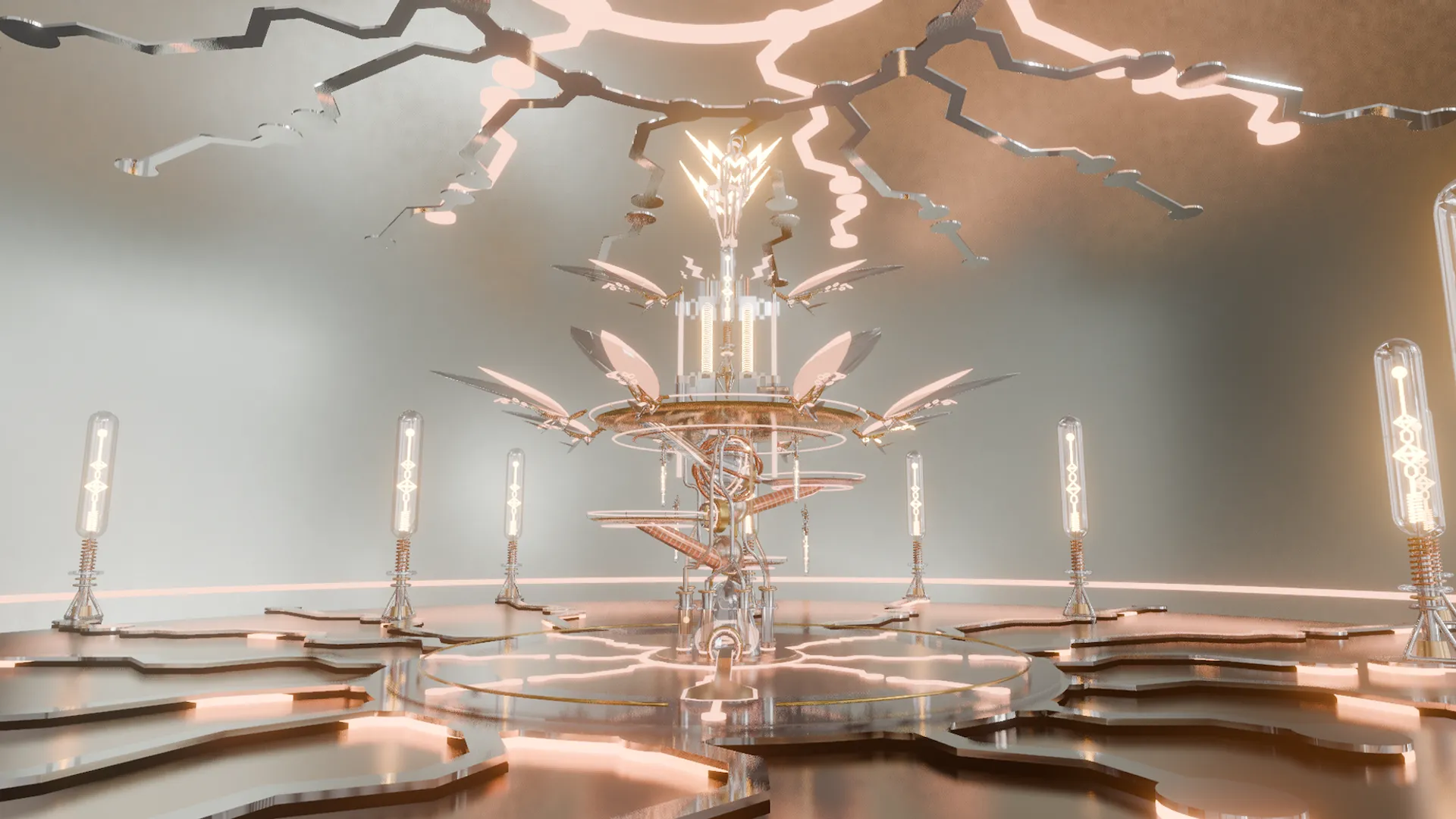
In 2024, EyeJack collaborated with Nona on The Dream Machine Experience for Lincoln Center, an ambitious mixed reality project blending VR, AR, AI and live performance. That collaboration has continued to evolve into Cyboracle Prime, a conversational AI experience functioning as a digital twin of Nona herself.
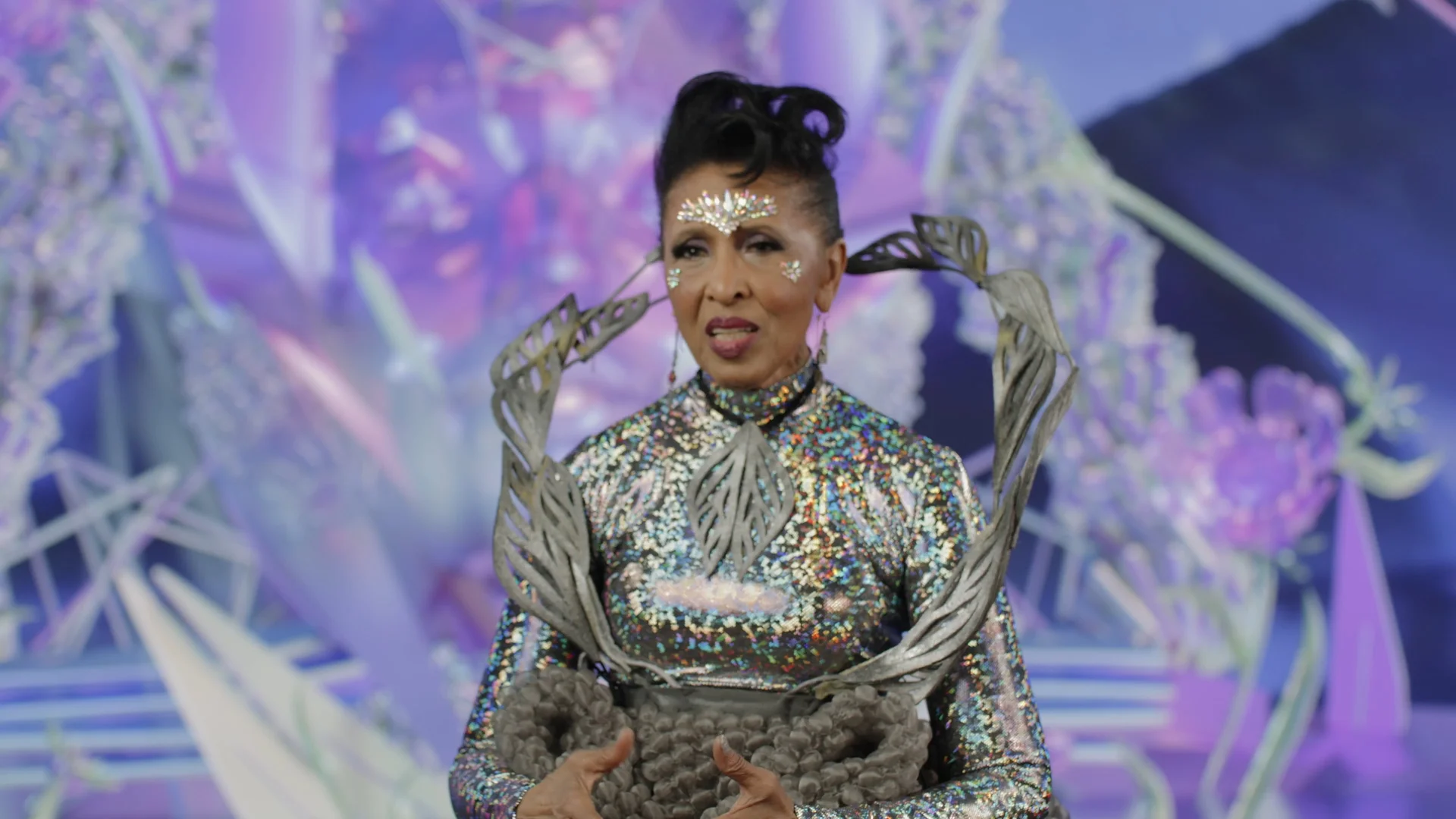
Nona Hendryx performing in The Dream Machine Experience at Lincoln Center
Dressed like a chrome oracle, Nona looks like she's stepped out of a parallel timeline where Afrofuturism conquered Silicon Valley. At 81 years old, she is not shying away from the latest tech, she is extending herself through it.
Cyboracle Prime is built from her voice, philosophies, memories and creative methodologies. The experience invites participants into guided conversations about Afrofuturism, collaboration and identity. Users are introduced to Adinkra symbols - visual symbols originating from the Akan people of Ghana and Côte d'Ivoire that communicate philosophical ideas, ethics and cultural wisdom.
One symbol, Sankofa, means “go back and fetch it”, reminding us that the past contains knowledge essential for navigating the future.
When Cyboracle asked me what memory from my past deserved to travel into the future, I recalled falling asleep to the sound of the ocean while living on the coast of Tasmania. Cyboracle responded by connecting that memory to ancestral rhythms and Afrofuturist storytelling traditions. The exchange felt less like interacting with software and more like participating in a reflective creative ritual.
That intention was by design. Our team worked closely with Nona to define a narrative-driven conversational journey that was educational, reflective and creative. We carefully translated her philosophies into conversational design, prompt engineering and behavioural guardrails so the experience remained aligned with her intentions. Like Nona herself, Cyboracle Prime is determined, gentle, wise, playful and deeply collaborative.
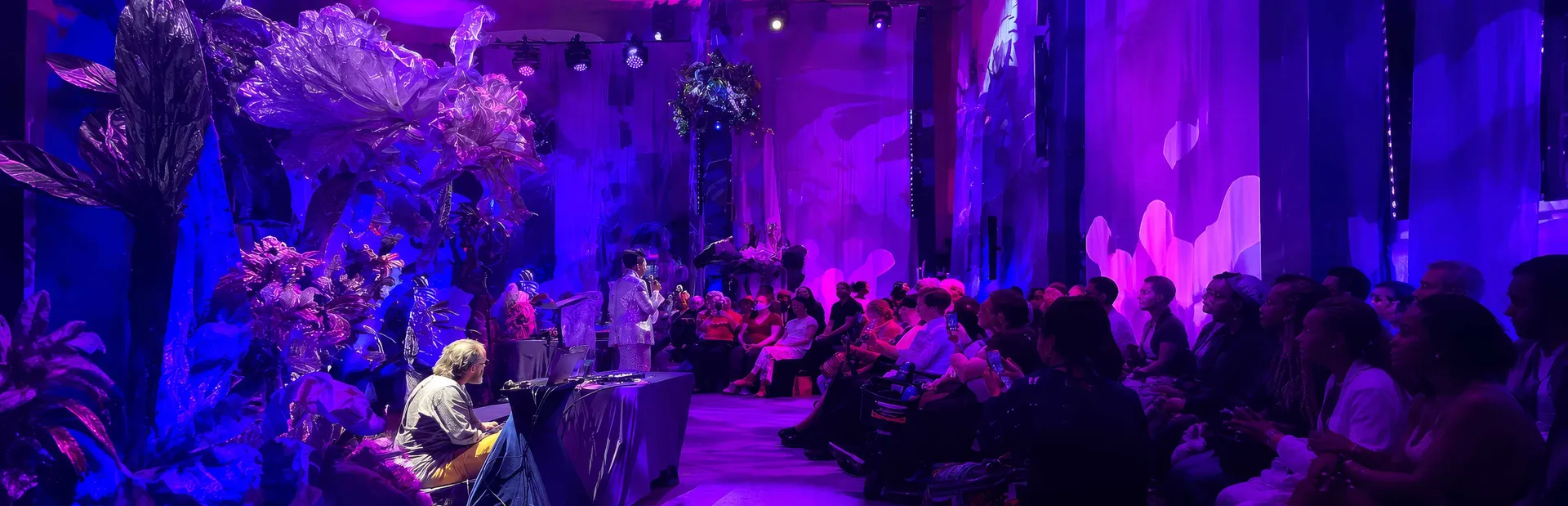
Nona Hendryx speaking at the David Rubenstein Atrium for The Dream Machine Experience
The Sum of Us
Nona often repeats the mantra: “The sum of us is greater than one of us.”
That philosophy sits at the centre of the experience. The goal is to learn through collaboration and creation.
During the Coachella panel, a young audience member nervously asked a difficult but important question: what happens if Nona passes away? Would the AI continue creating music on her behalf?
Nona and I had never discussed it directly before.
I explained that Cyboracle Prime is not a commercial music project designed to endlessly produce content. The music created through the experience functions more as a memento - an artefact of your journey through Afrofuturism with Cyboracle Prime.
But afterward, I asked Nona the same question privately.
She told me that Cyboracle Prime is intended to continue evolving beyond her physical existence. “Cyboracle Prime is part of my current and future legacy and has already taken on a life of its own. As an artist, I create from the material I know best and I think I know my voice, my ideas and my lived experience better than anyone else on this planet or maybe even in the universe.”
She also spoke candidly about the challenges of protecting that future ethically. “I can only do what is possible now to protect how Cyboracle Prime's evolution, like including her as an asset or beneficiary of my estate in my Will and Trust, and specifying who should become her guardian(s).”
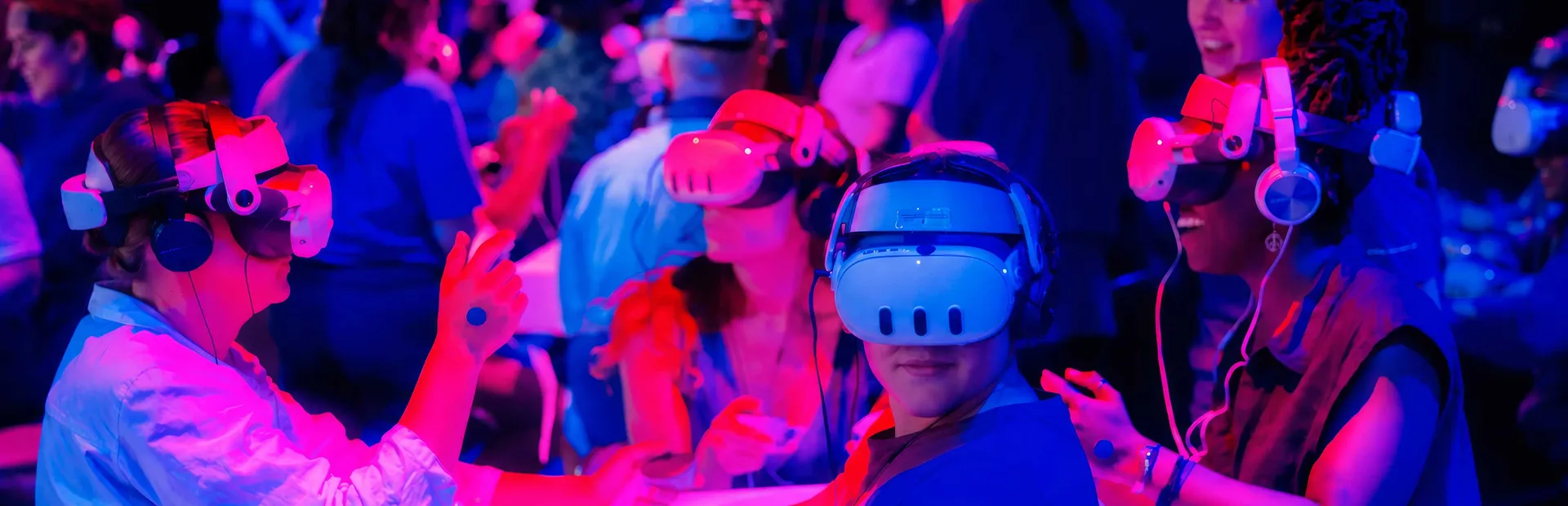
Visitors immersed in the Dream Machine Experience at the Lincoln Center