Milbi Centre
Interpretation and visitor education
We partnered with Econnect Communication, a specialist science communication agency, to transform the UniSC Milbi Centre's work into a public-facing interpretive experience. Econnect led the strategy, stakeholder engagement and content, while we shaped the digital direction and delivered the physical and digital layers that bring the story to life.
The UniSC Milbi Centre
The UniSC Milbi Centre is a sea turtle research and rehabilitation centre on Queensland's Fraser Coast, established by the University of the Sunshine Coast in partnership with the Butchulla Native Title Aboriginal Corporation and Turtles in Trouble Rescue.
Because the UniSC Milbi Centre is a working care facility, public entry is restricted to protect the animals and maintain strict biosecurity standards. The project therefore needed to share the centre's work from the outside - helping visitors understand the rescue and rehabilitation happening within, while learning about milbi, their habitats, the threats they face, and their cultural significance on Butchulla Country.
The resulting experience brings together exterior signage, illustration, mural design, infographics, 3D sea turtles, augmented reality activations and a companion website to create a public-facing layer around the centre's important work.
Visitor Experience
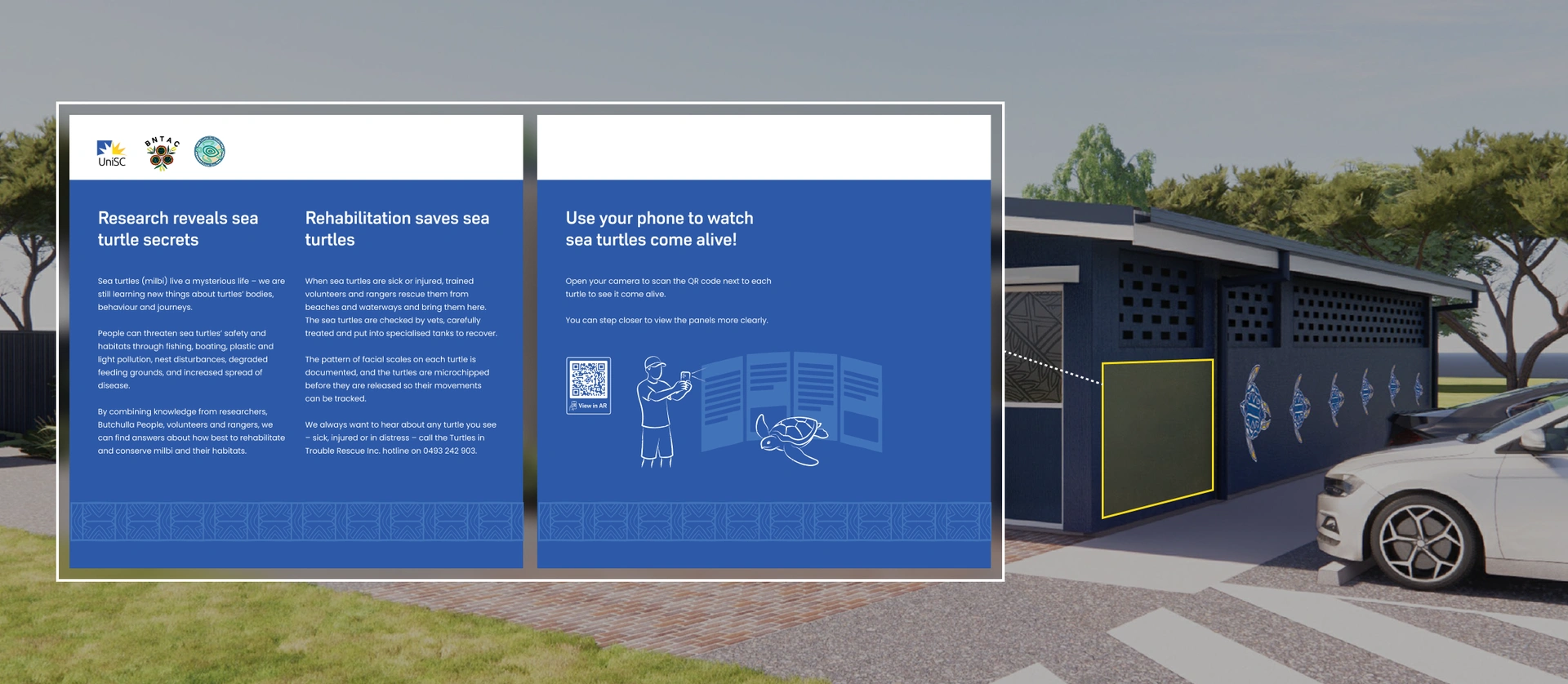
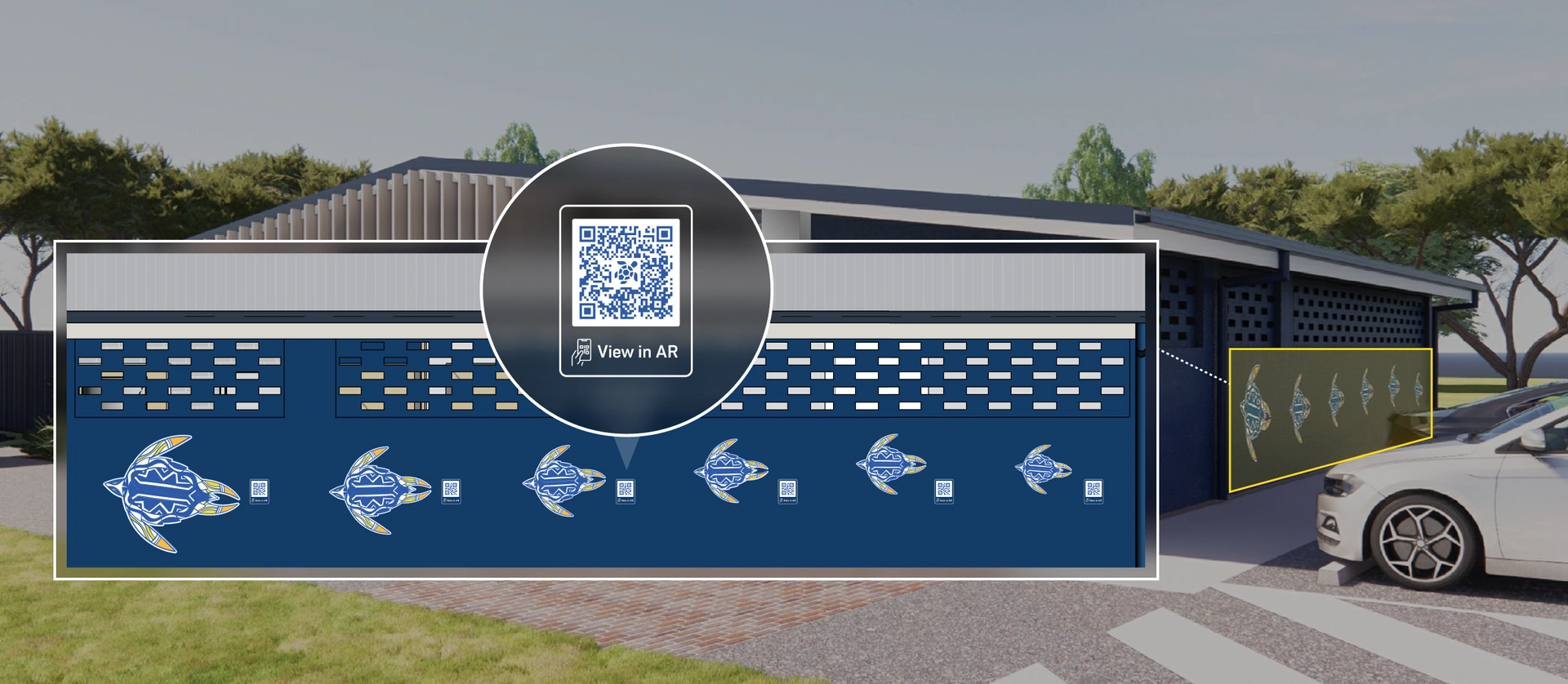
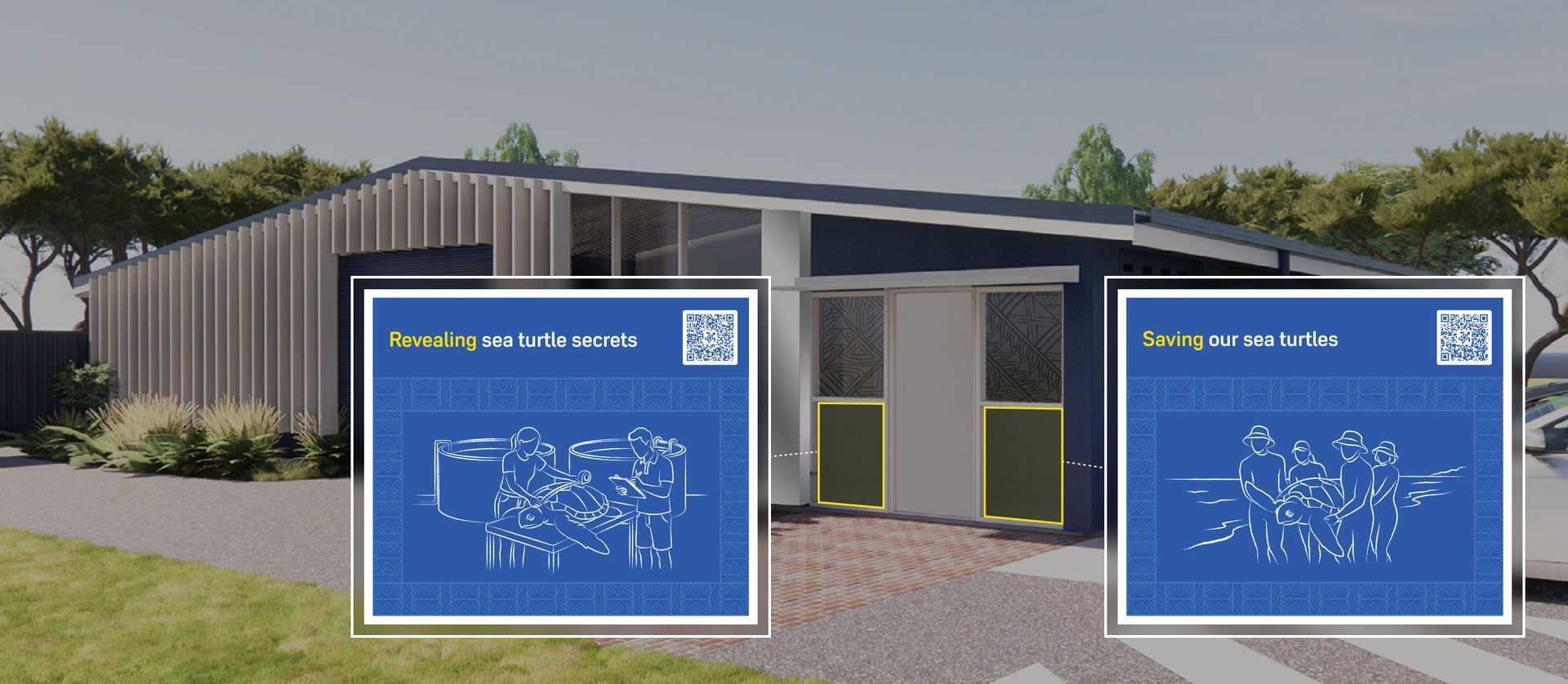
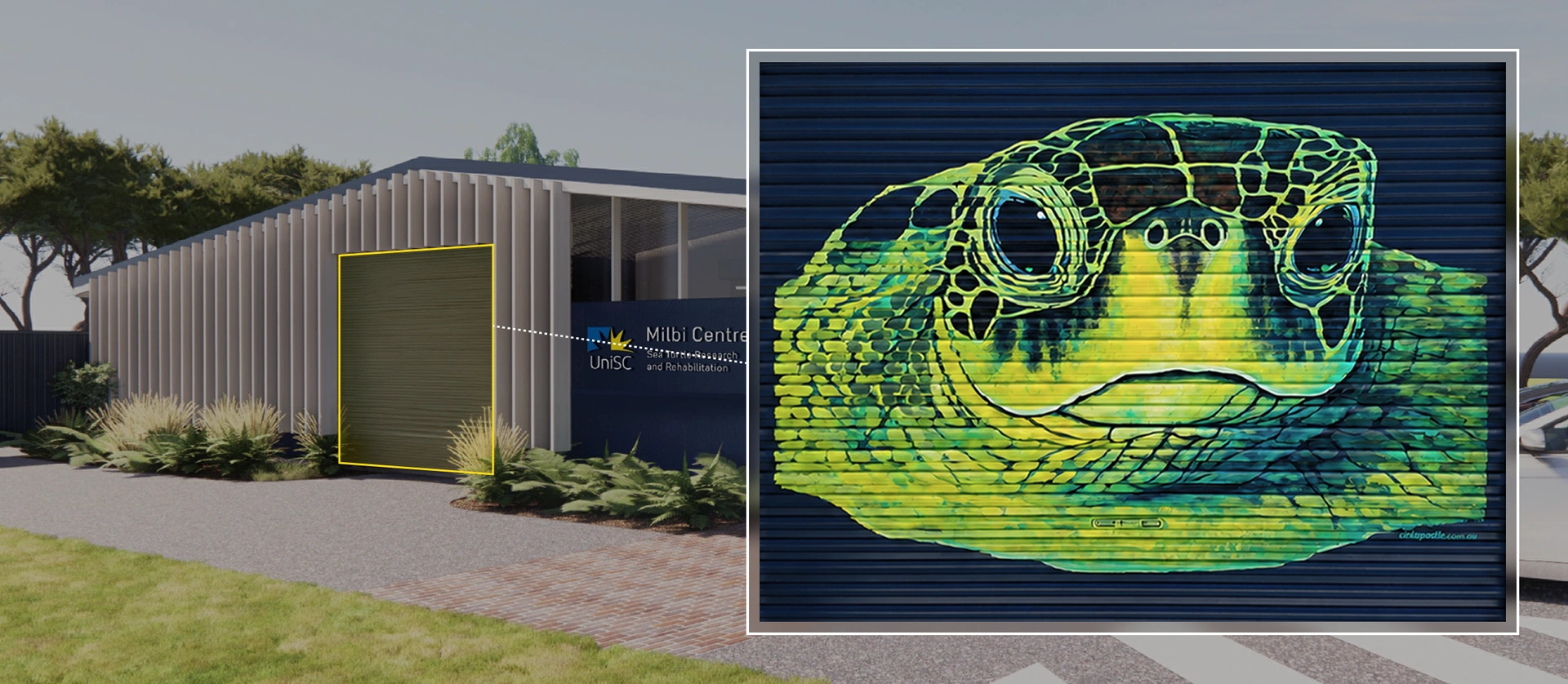
As visitors approach the UniSC Milbi Centre, the experience begins around the building's exterior. Interpretive signage, QR codes, a large-scale turtle mural and three-sided spinning poles work together to create an accessible public layer around the centre.
The QR codes connect visitors to the companion website, where they can explore interactive 3D models of the six sea turtle species found on the Fraser Coast: green, loggerhead, hawksbill, leatherback, flatback and olive ridley. Other entry points lead directly to key stories about sea turtle research, rescue and rehabilitation.
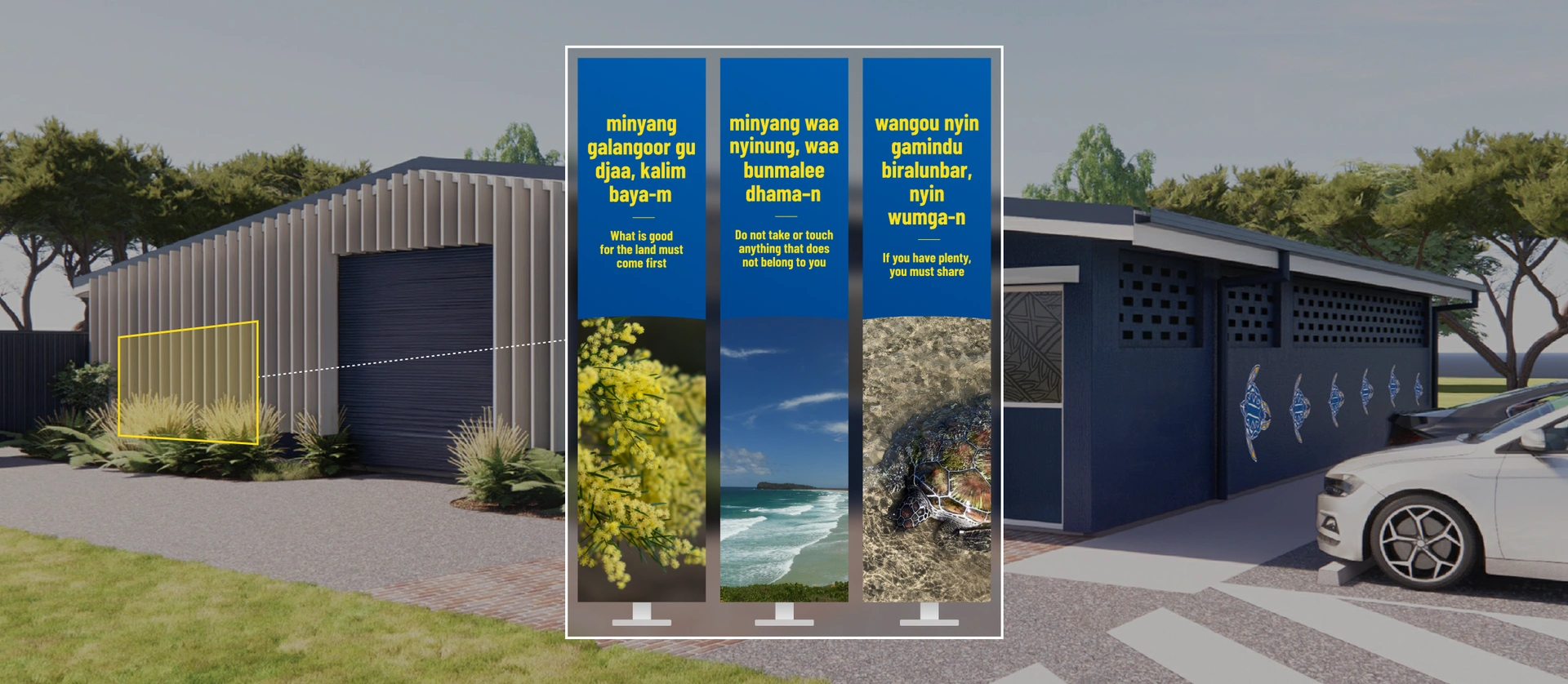
The signage also introduces the augmented reality experiences available on mobile, allowing visitors to bring the turtles into the real world at life-size scale. Alongside these digital layers, three-sided spinning poles carry the three Butchulla lores in language and English translation - a tactile, non-digital element woven into the experience by BNTAC.
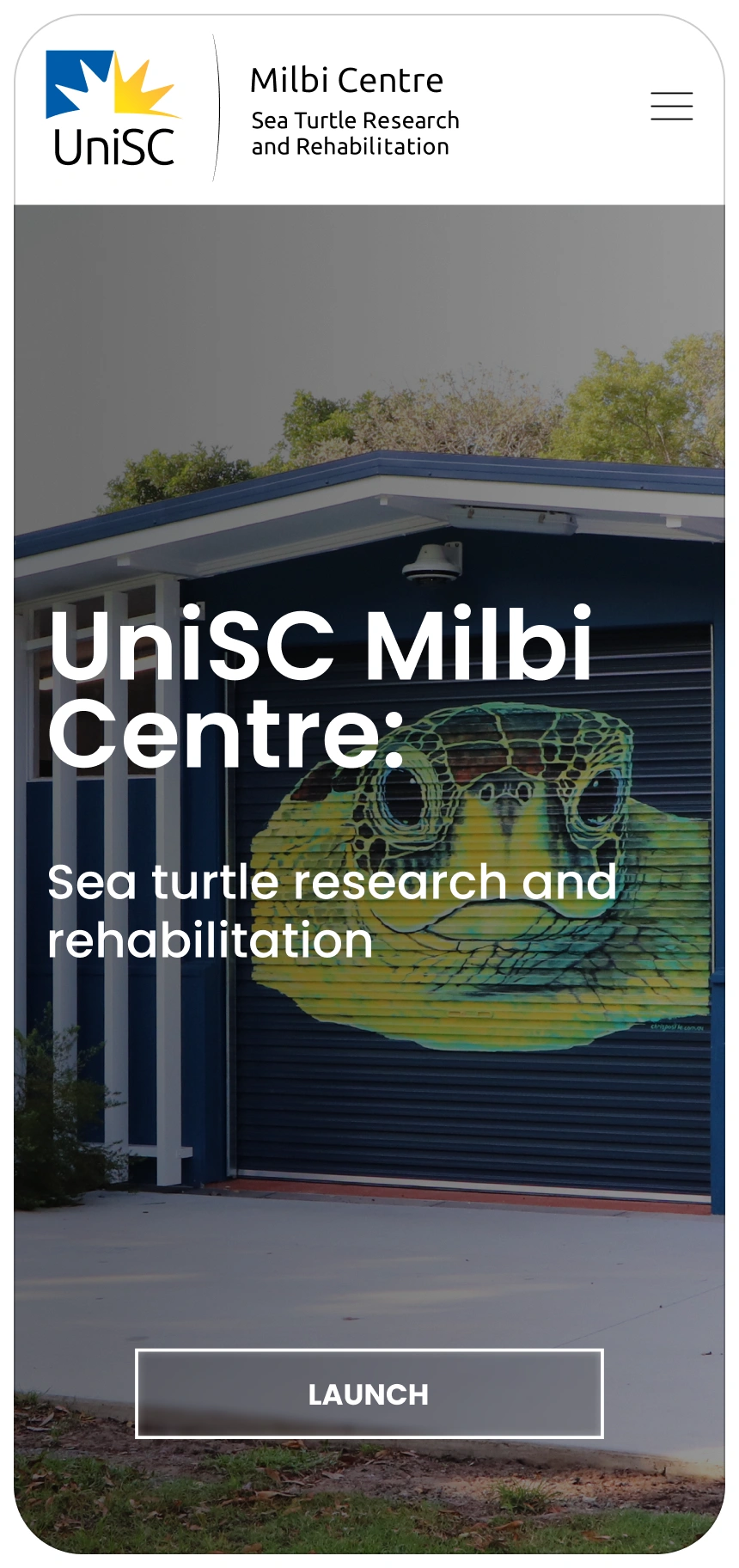
Across the front roller door, a large green sea turtle mural creates the centre's most visible public marker, drawing people closer and inviting them to explore the story of the UniSC Milbi Centre in more depth.
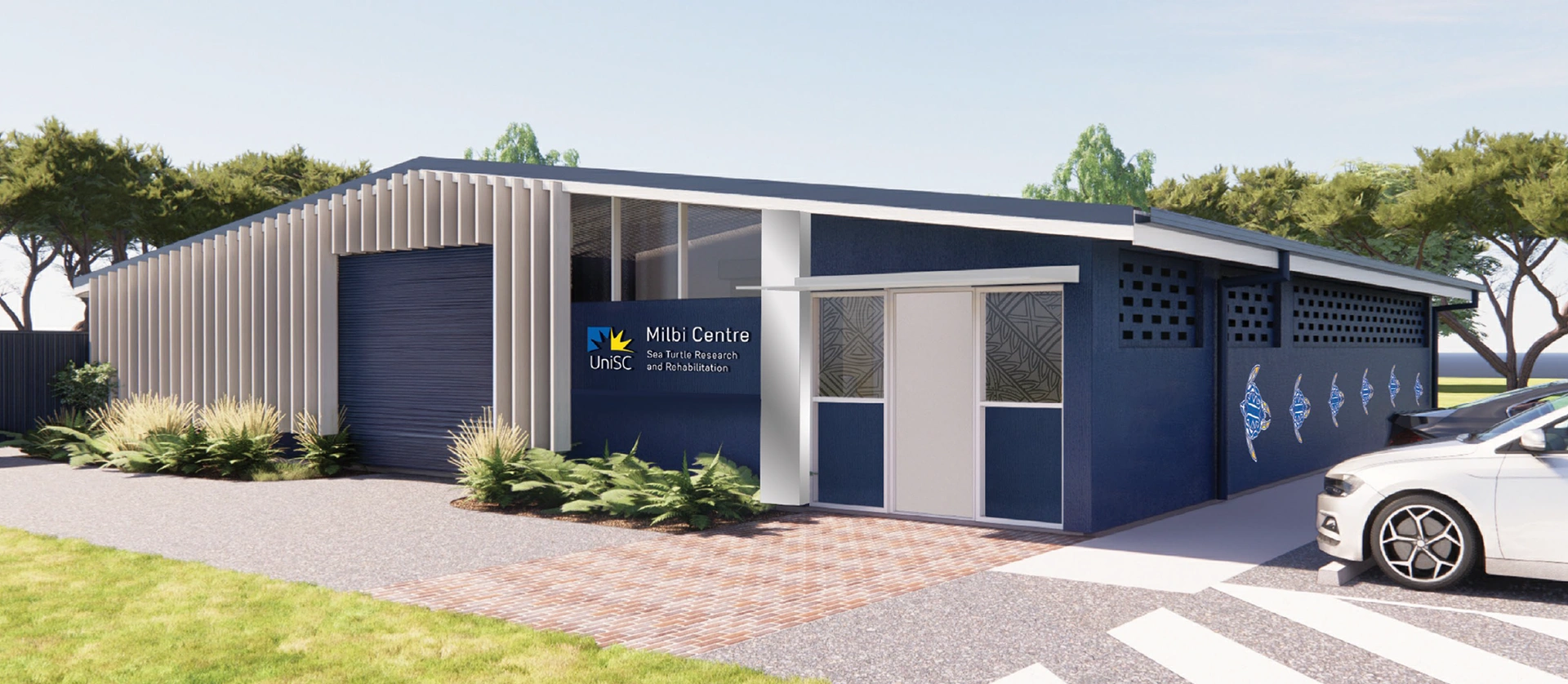
1. Spinning poles / 2. Mural of green sea turtle / 3. Door panels / 4. Visitor onboarding / 5. AR turtle activations
Website
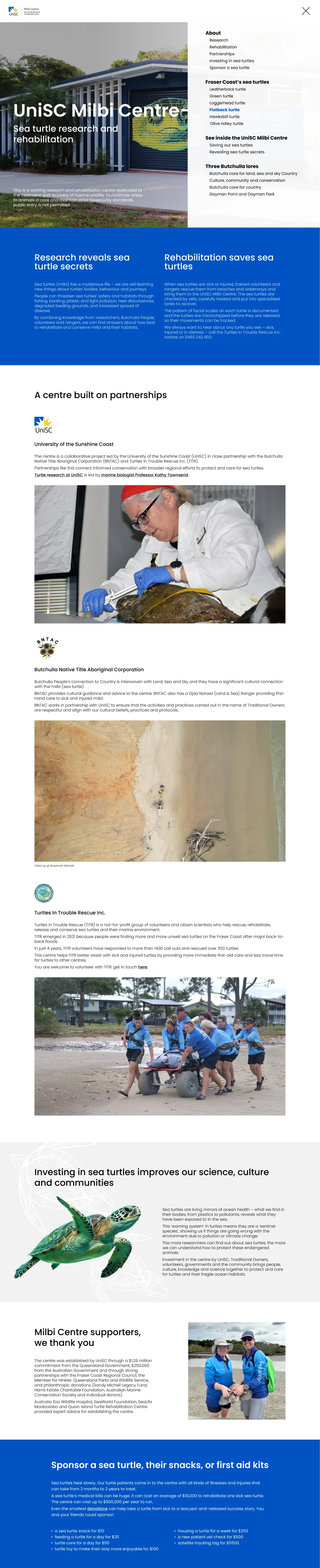
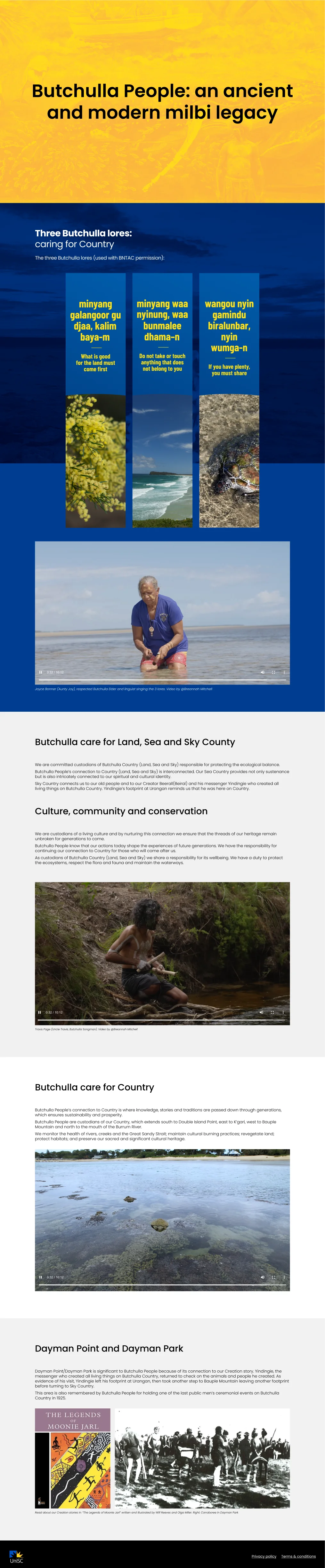
We led the digital strategy, design and development of the companion website, shaping it from a simple AR launcher into a richer interpretive platform for the UniSC Milbi Centre.
Designed for both desktop and mobile, the website extends the experience beyond the building itself, bringing together information about the UniSC Milbi Centre, the Fraser Coast's sea turtle populations, the rescue and rehabilitation work happening inside, and the Butchulla People's cultural connection to milbi.
The site carries the project's key digital content, including interactive 3D animations of each turtle species, AR launch points that allow visitors to view the turtles at life-size scale, and a suite of infographics designed to make complex conservation, cultural and scientific content more accessible.


Interactive Sea Turtles
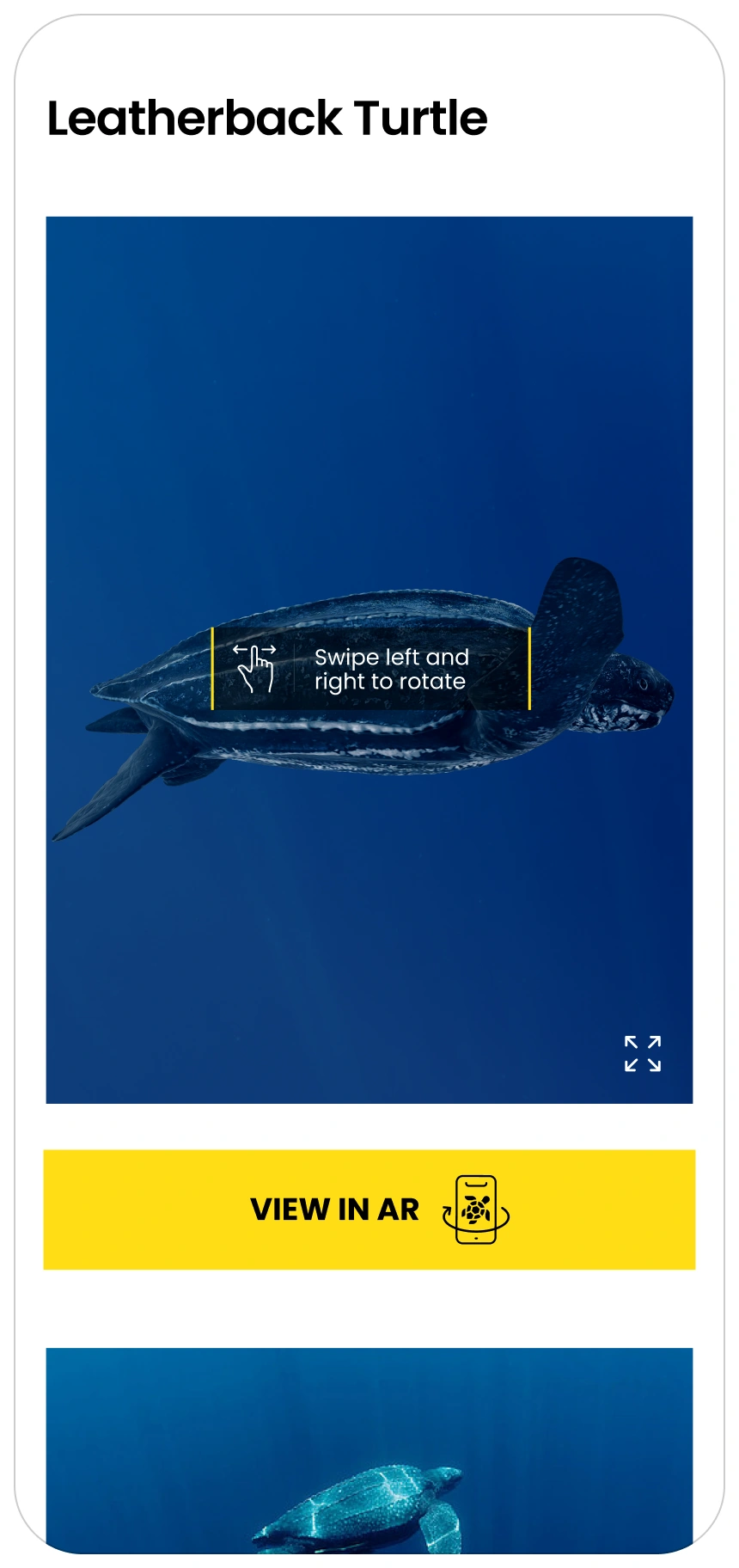
Each of the six sea turtle species found on the Fraser Coast - green, loggerhead, hawksbill, leatherback, flatback and olive ridley - was brought into the experience as an interactive 3D animation.
Designed to be explored directly through the website, each turtle can be viewed up close using natural pinch and rotate gestures. Subtle environmental backdrops - from deep ocean and seagrass beds to beaches, reefs and mangroves - help place each species within the habitats it moves through.
Our design and animation teams worked carefully to keep the turtles scientifically accurate, with expert feedback from marine biologist Professor Kathy Townsend, who leads sea turtle research at UniSC. This helped ensure each species looked, moved and behaved as closely as possible to its real-world counterpart.
Infographics
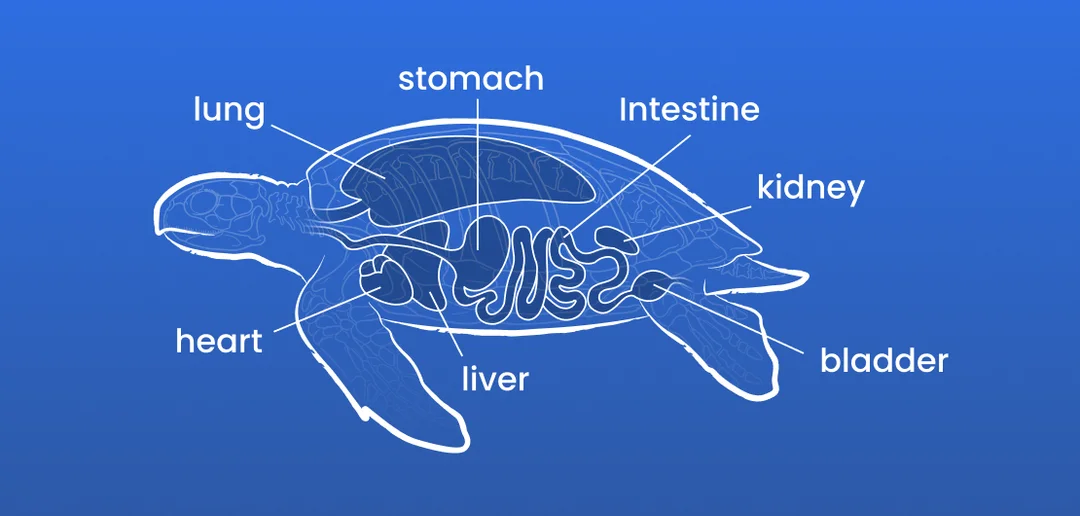
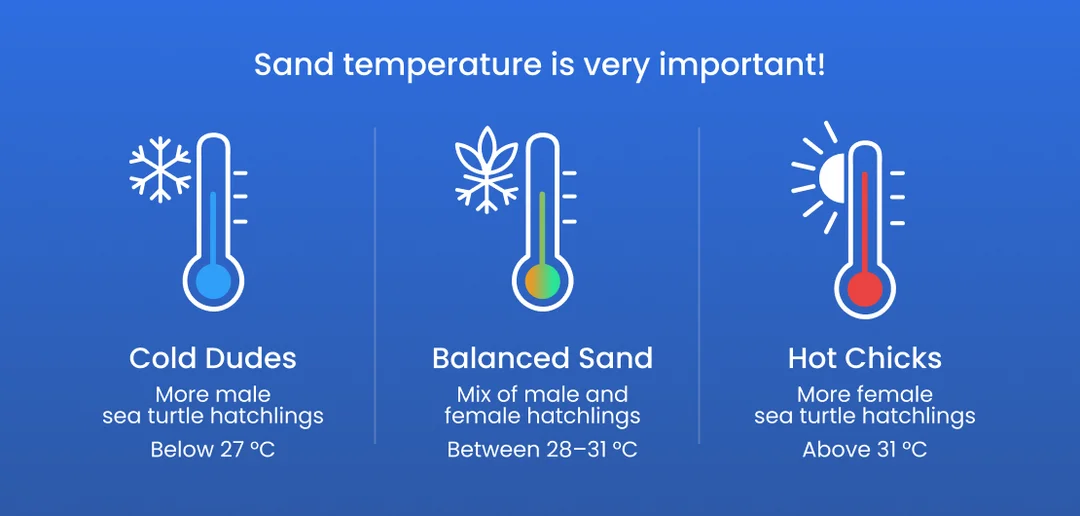
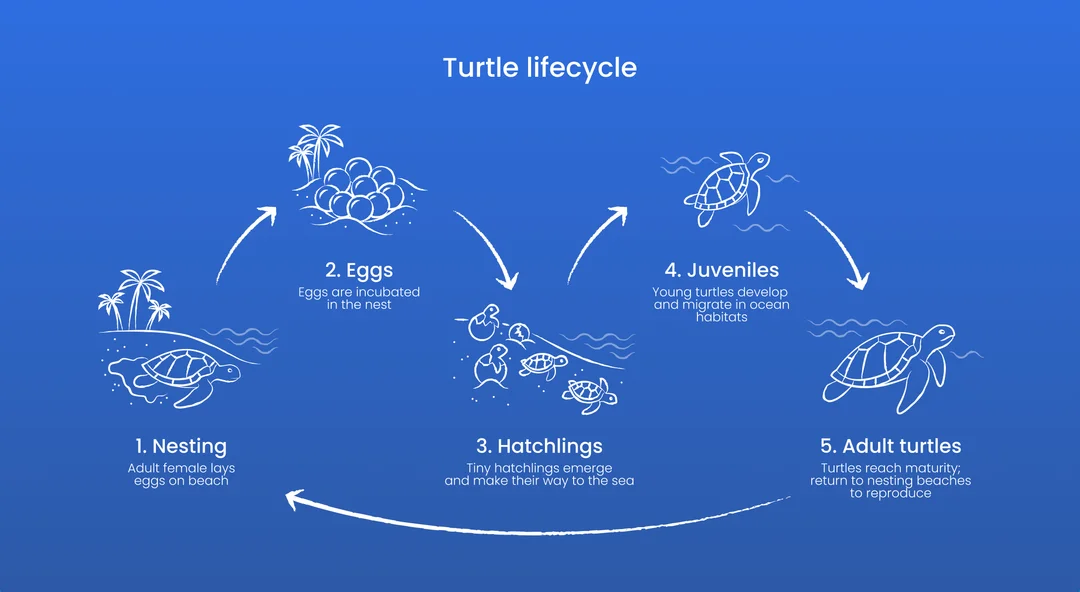
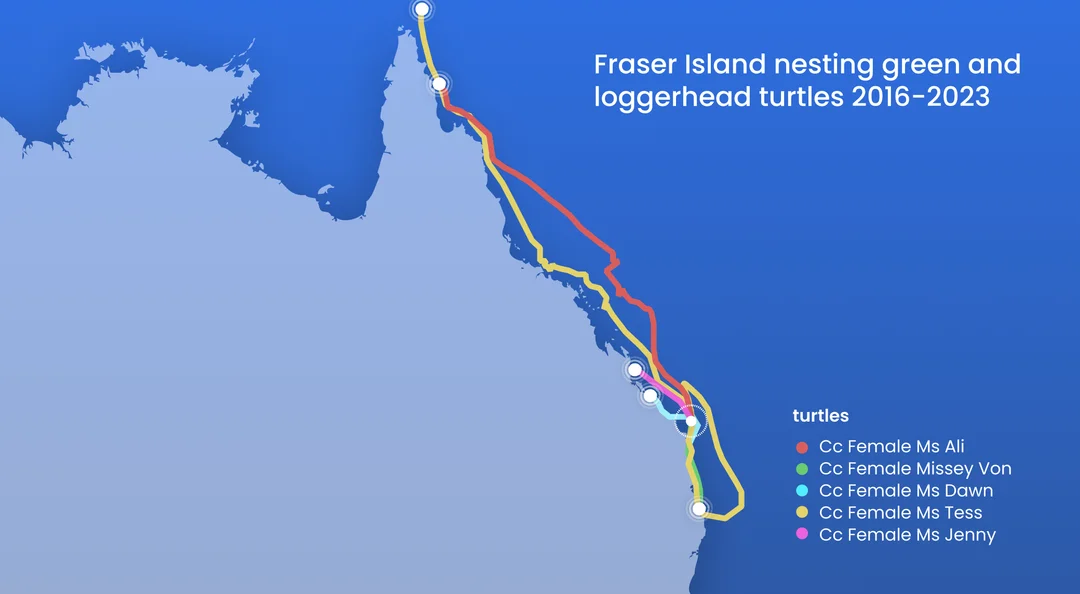
We created a suite of graphics for the website to help make complex information more visual, accessible and easy to understand.
Designed within the UniSC brand guidelines, the illustrations explain key ideas around sea turtle anatomy, life cycles, migration, rescue and rehabilitation, and the geography of the Fraser Coast. Each piece was developed through visual research, illustration and scientific review, ensuring the content felt clear, engaging and accurate while sitting naturally within the wider UniSC Milbi Centre experience.
Life-Size Sea Turtles
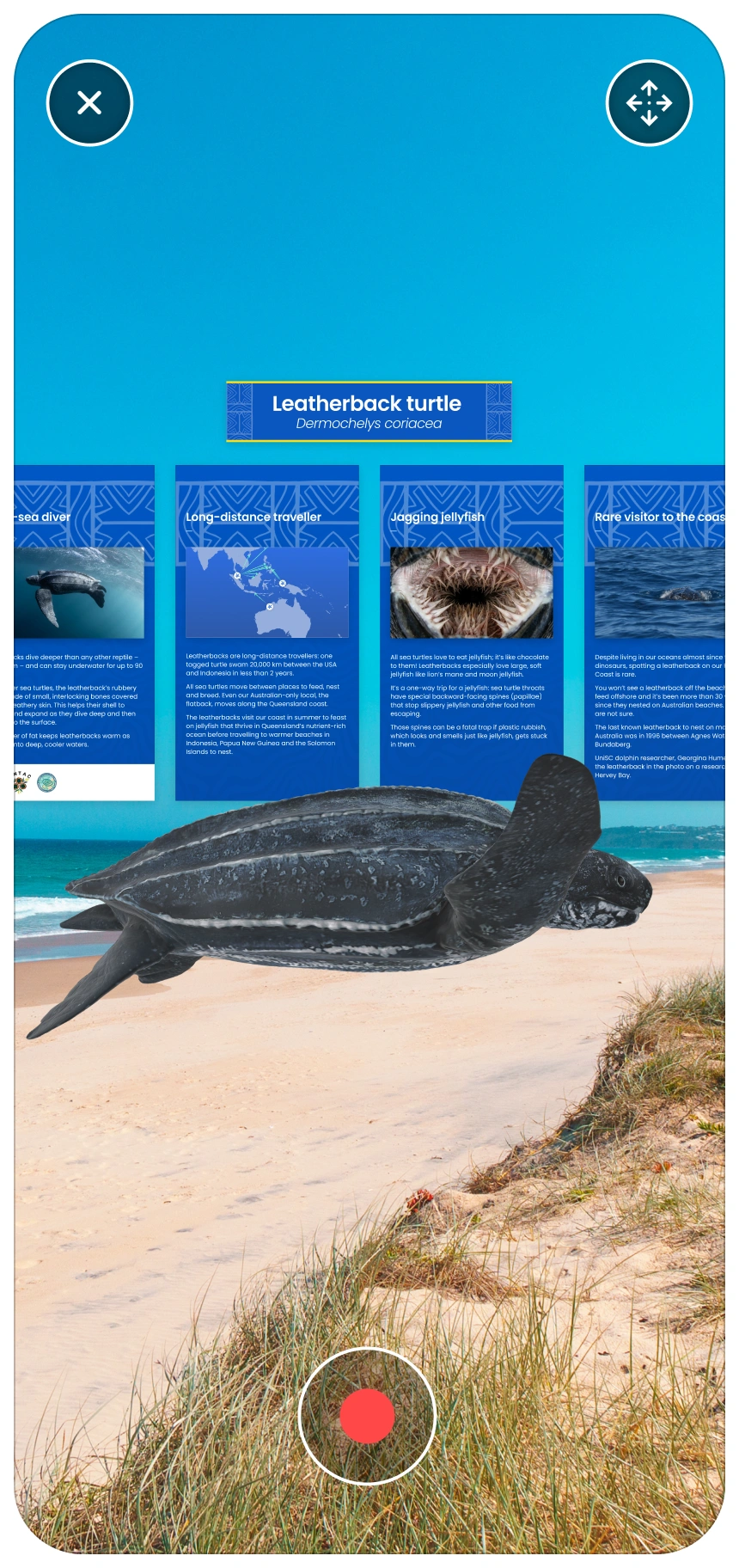
Augmented reality extends the visitor experience by bringing the sea turtles into the real world at life-size scale.
Visitors can scan a QR code outside the UniSC Milbi Centre, launch any of the six species in AR, walk around the turtle and record the moment on their phone as a keepsake or to share.
Each AR experience also includes interpretive panels placed alongside the turtle, so key information about the species appears directly beside the animal in space. This allows visitors to connect the facts with the turtle's scale, form and presence as they move around it.
Beyond the Centre
The experience was designed to extend beyond the UniSC Milbi Centre from the start.
While the physical interpretation is shaped around the on-site visitor journey, the digital content can be revisited, shared and explored from anywhere. Visitors who scan the QR codes can return to the website later, relaunch the AR turtles, or share the experience with people who never came to the centre.
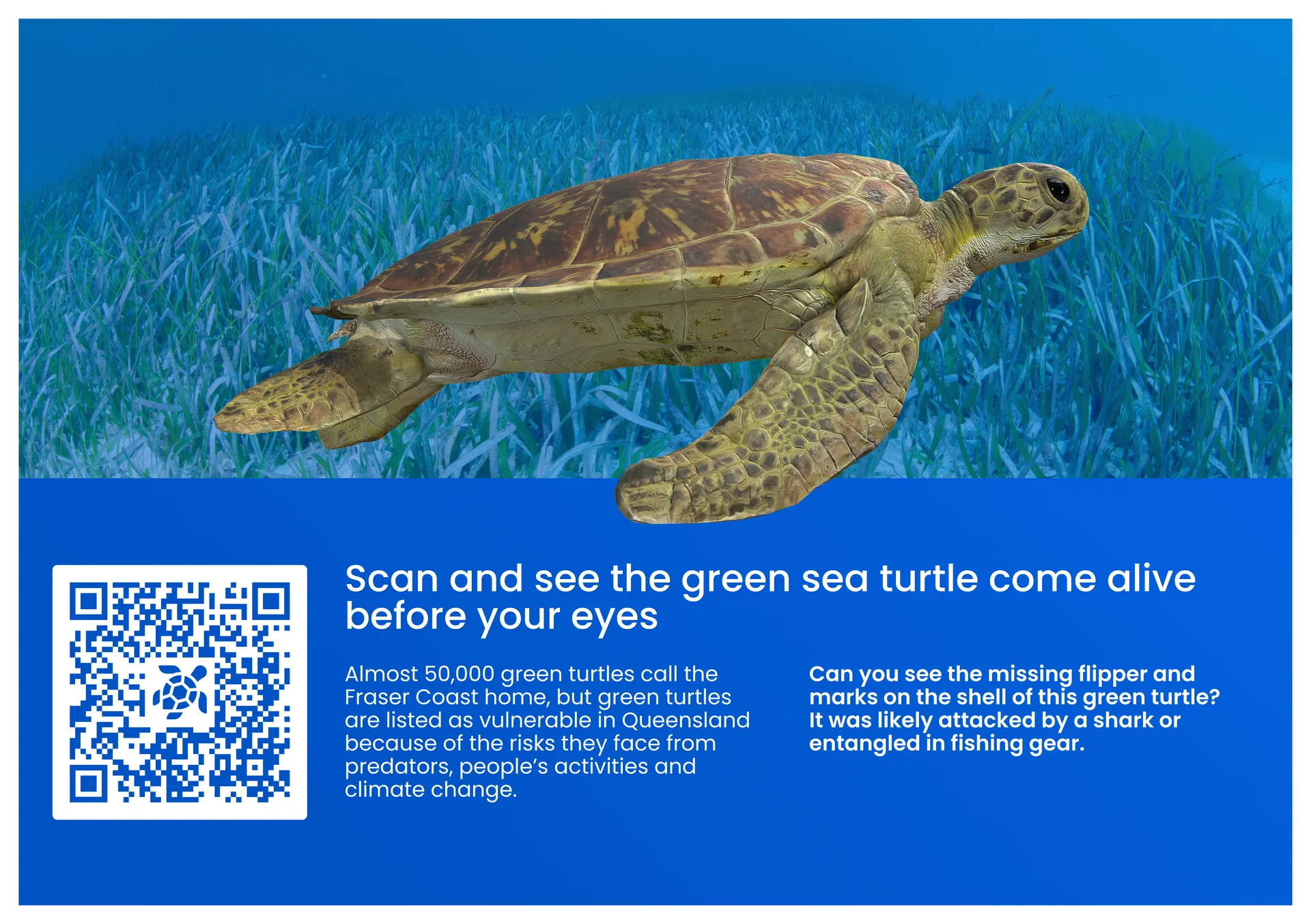
Postcards were also printed with QR codes linking to the website and AR experiences, giving the project another way to travel beyond the site. This extends the reach of the UniSC Milbi Centre and gives UniSC a flexible set of digital assets for education, outreach, marketing and community engagement.
Testimonials
Jenni MetcalfeEconnect CommunicationEconnect Communication loved working with EyeJack team on this project for the University of the Sunshine Coast. Lukasz Karluk and the rest of the EyeJack team were very creative, professional and fun to work with! Love the AR sea turtles!