Mama Joys Walk
The Abolitionist Heritage Center
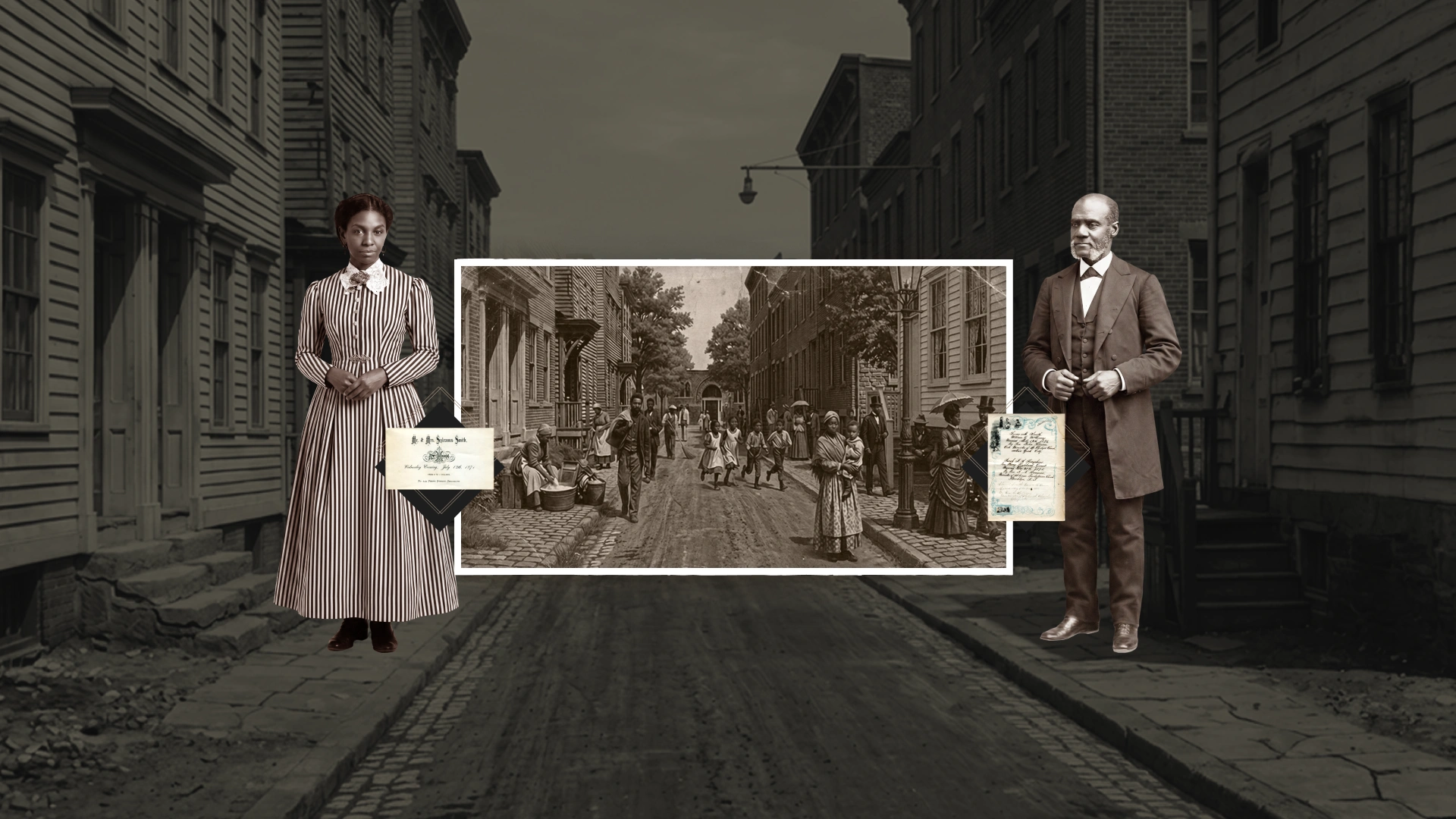
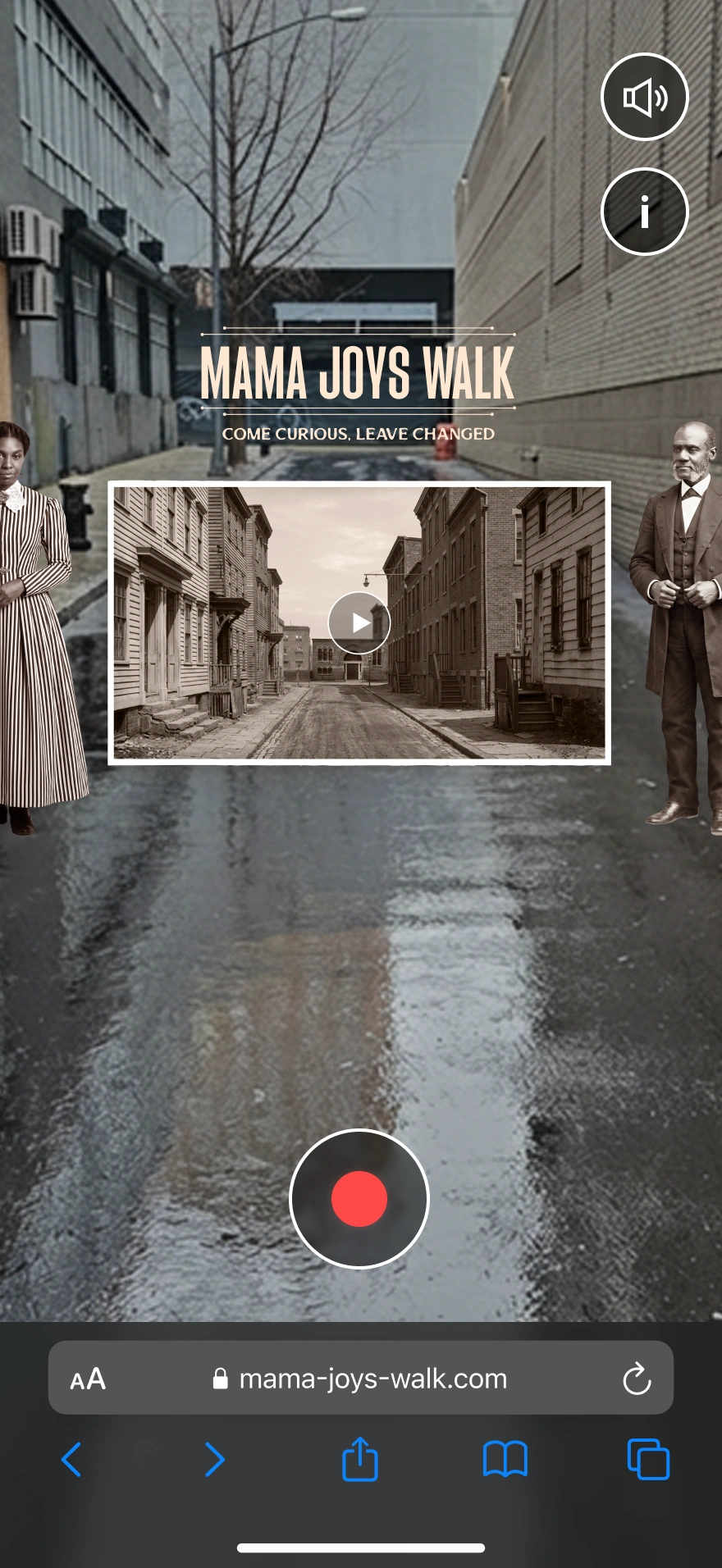
Mama Joy's Walk is an interactive experience created with the Abolitionist Heritage Center for Abolitionist Place in Downtown Brooklyn. It brings visitors closer to Henry Highland Garnet, Sarah Smith Garnet, and the free Black community who shaped Abolitionist Place, returning their stories to the streets where this history unfolded.
Archive to Animation
The experience recreates a 19th century African-American-owned neighborhood in Brooklyn. Drawing on archival material and research from the Abolitionist Heritage Center, we recreated a street scene shaped by the everyday life of the community that lived there.
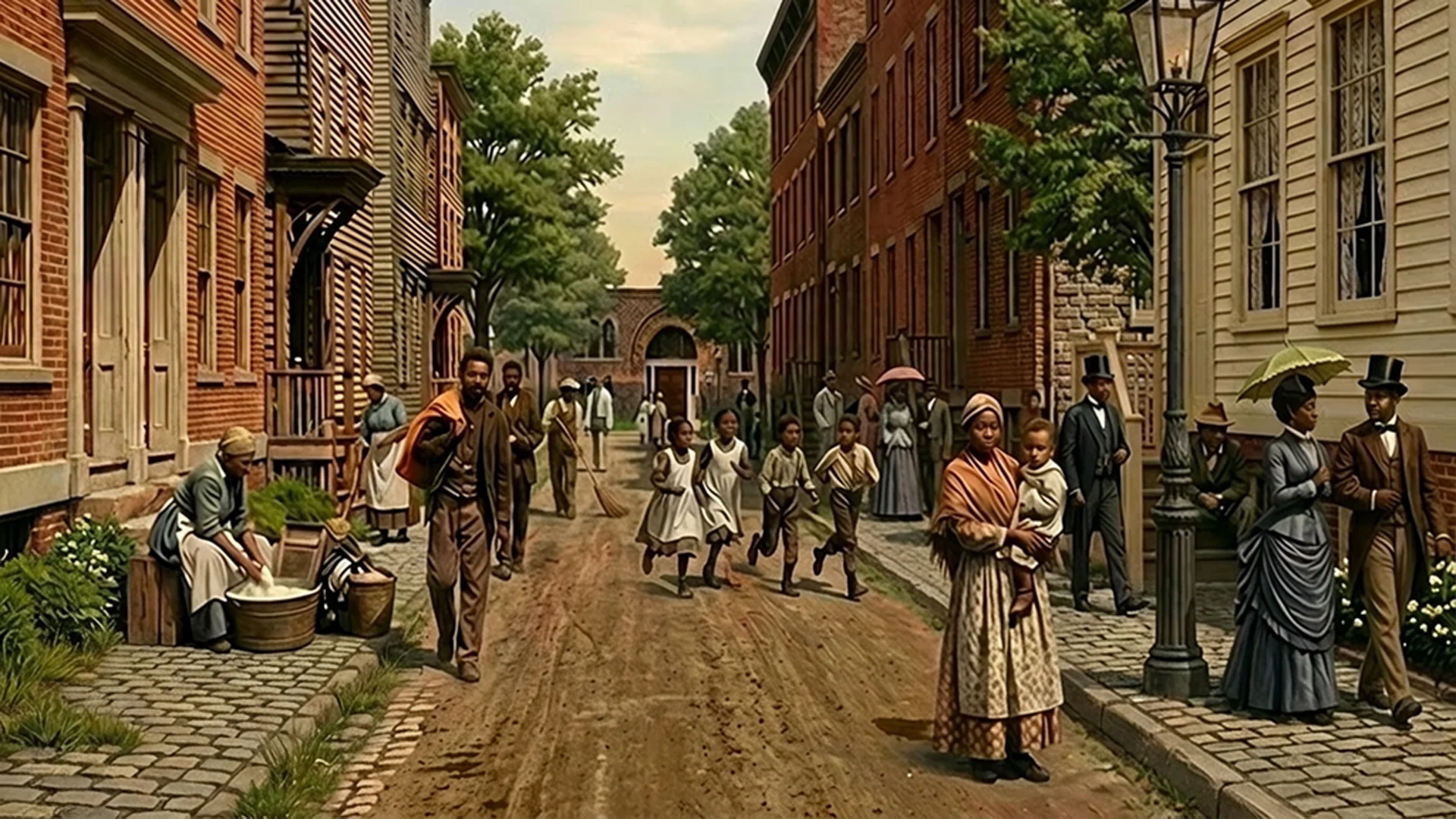
A reconstructed street scene for the AR experience, placing homes, churches, families, students, and passing carriages back into the neighbourhood around Abolitionist Place.
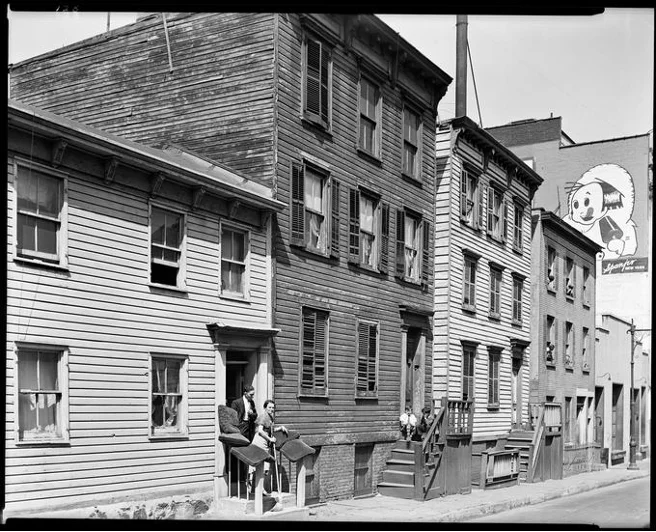
Archival street reference featuring the timber buildings used to shape the reconstructed neighbourhood.
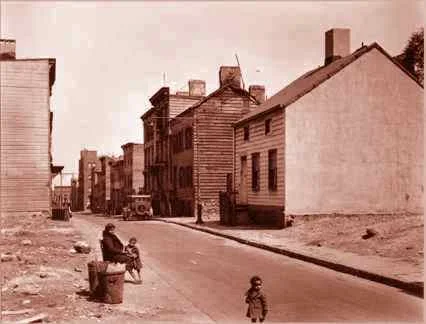
Street reference for the ground surface, building texture, children and cars.
From the street, the experience moves towards Henry and Sarah's wedding. We recreated the scene as a gathering of church leaders, educators, abolitionists, suffragists, students, family members, and Brooklyn's free Black community. Details such as Plymouth Church, its pipe organ, formal clothing, and civic gatherings helped shape a moment that feels crowded, celebratory, and publicly significant.
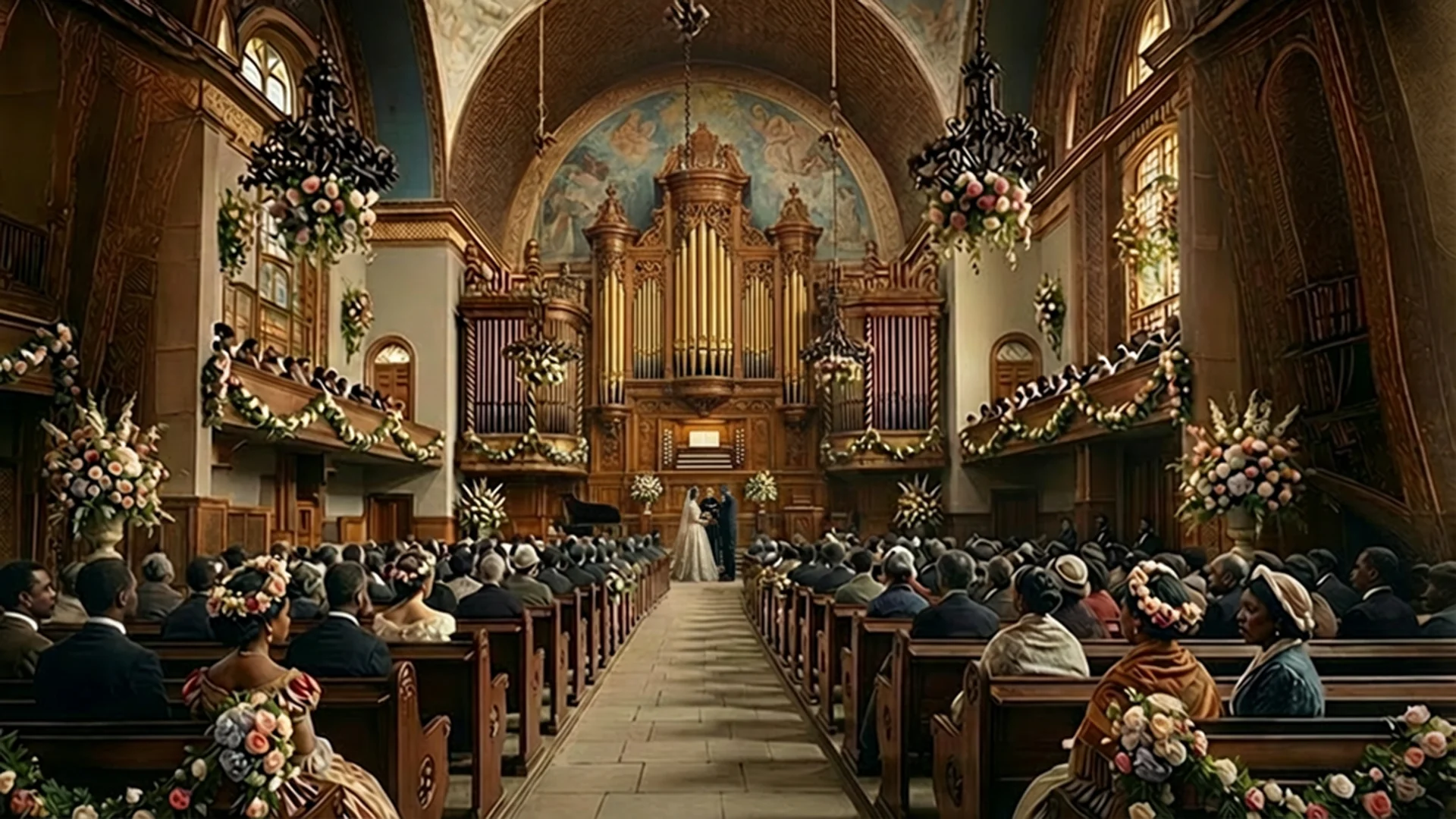
The wedding ceremony sequence brings Henry and Sarah Garnet into a shared public moment, surrounded by the community that shaped and supported their work.
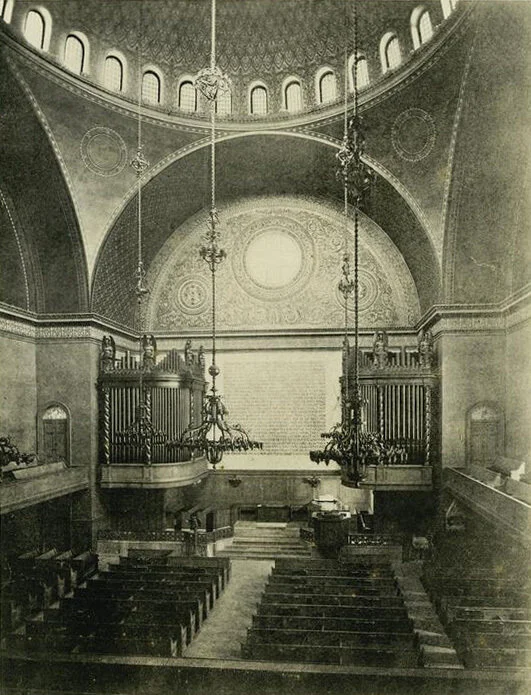
Madison Square Presbyterian Church reference used to establish the scale and spatial arrangement of the ceremony setting.
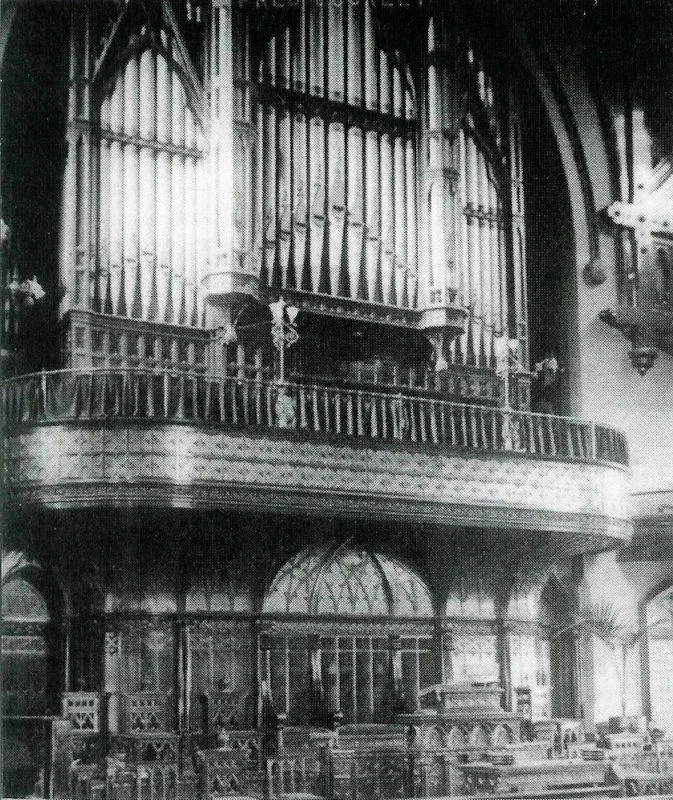
Pipe organ reference used to anchor the interior detail and visual focus of the church scene.
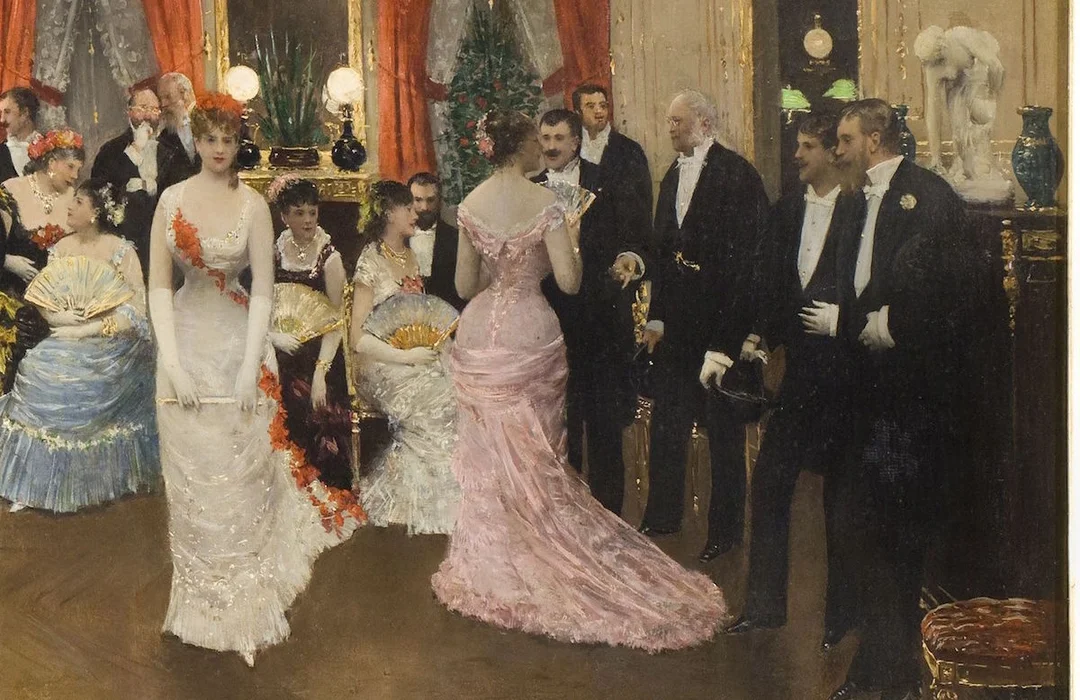
W. E. B. Du Bois with the Fisk University class of 1888. Reference for formal attire.
Walking With History
Through augmented reality, life-size figures of Henry Highland Garnet and Sarah Smith Garnet appear within the present-day streetscape, alongside biographical panels, interpretive animation, and narration. Each layer is designed to serve the story, helping visitors connect the pavement beneath their feet with the abolitionists, educators, families, and community leaders whose histories are still held in the neighbourhood.