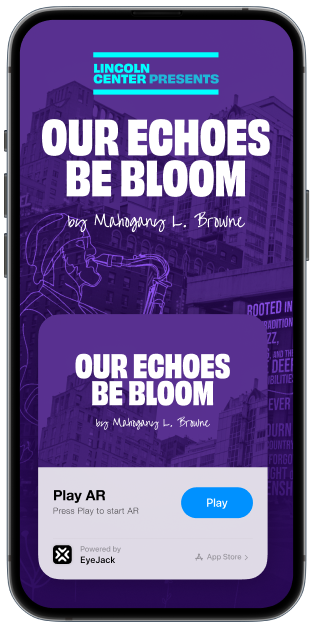
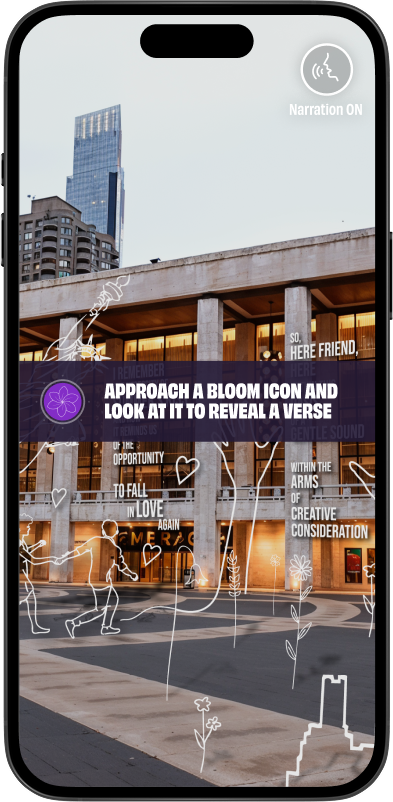
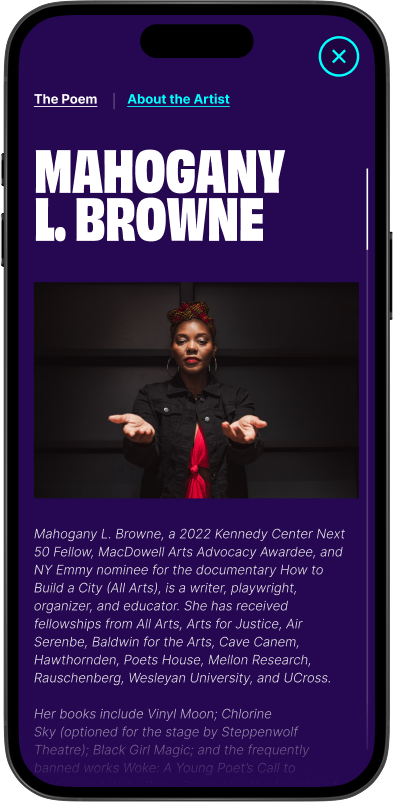
Mahogany L. Browne brings her voice of empowerment and reflection to Our Echoes Be Bloom. The work transforms her poetry into a living experience that unfurls across Lincoln Center's architecture, celebrating language as a force for connection, healing and collective expression.
Lincoln Immersive
AR programme at Lincoln Center
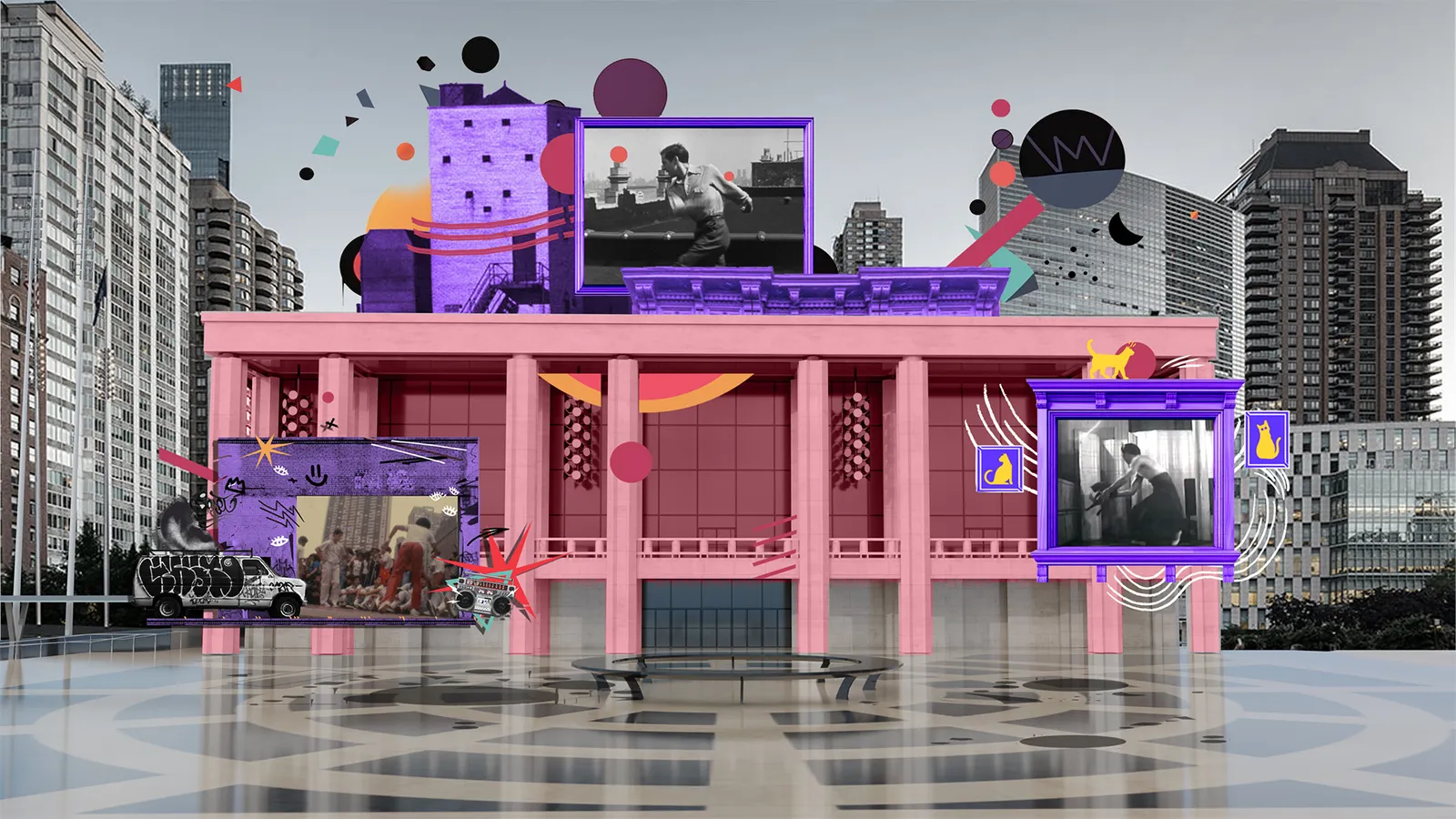
Lincoln Immersive began when Lincoln Center contacted EyeJack to consult on how immersive work could sit within its wider slate of performances and public experiences. Lincoln Center wanted immersive work to be considered as a serious programme option alongside ballet, opera and live performance, so we proposed an AR infrastructure that could support a rotating programme of site-specific works every few months.
We reimagined Josie Robertson Plaza as a dynamic augmented reality canvas, using the campus architecture as the anchor for a series of public artworks. The programme resulted in three major AR experiences: Safe Space, Archive of Dance and Our Echoes Be Bloom.
Safe Space
Safe Space is an augmented reality installation by Trinidad-born artist Miles Regis, presented at Lincoln Center's Josie Robertson Plaza as part of the Lincoln Immersive series. The work transforms the plaza into a living canvas of animated painting and sound, offering a moment of joy, reflection and belonging in the heart of the city.
The Artwork
Blending painting, poetry, sound and immersive technology, Safe Space turns the plaza into a digital sanctuary - what Regis calls "a paradise of sorts". Activated via smartphone, the experience surrounds visitors with floating eyes, pulsing colour and cascading symbols, creating a moment of reflection, freedom and connection in the middle of the city.
The Process
EyeJack co-founder Sutu collaborated closely with Regis, sharing his knowledge of painting in virtual reality over a 3D model of Lincoln Center. Together, they sampled brushstrokes and patterns from Regis's physical artworks to extend his signature style into digital space. The result celebrates cultural identity, personal memory and the unifying power of art.
Accessibility
Designed with accessibility in mind, the experience includes features that support audiences who are blind or have low vision. ARIA tags support screen reader compatibility, while Lincoln Center developed a rich audio description track, written by Madison Zalopany and narrated by Miles Regis, to bring the artwork to life through sound.
Safe Space App
Safe Space was designed as a web experience, using WebXR to deliver native AR quality directly in the browser. Visitors are guided to the front of The Metropolitan Opera House and taken through a short, gamified calibration sequence that prompts them to move and look around while the Visual Positioning System locks onto the surrounding buildings. Once calibrated, the AR content is revealed.


Archive of Dance
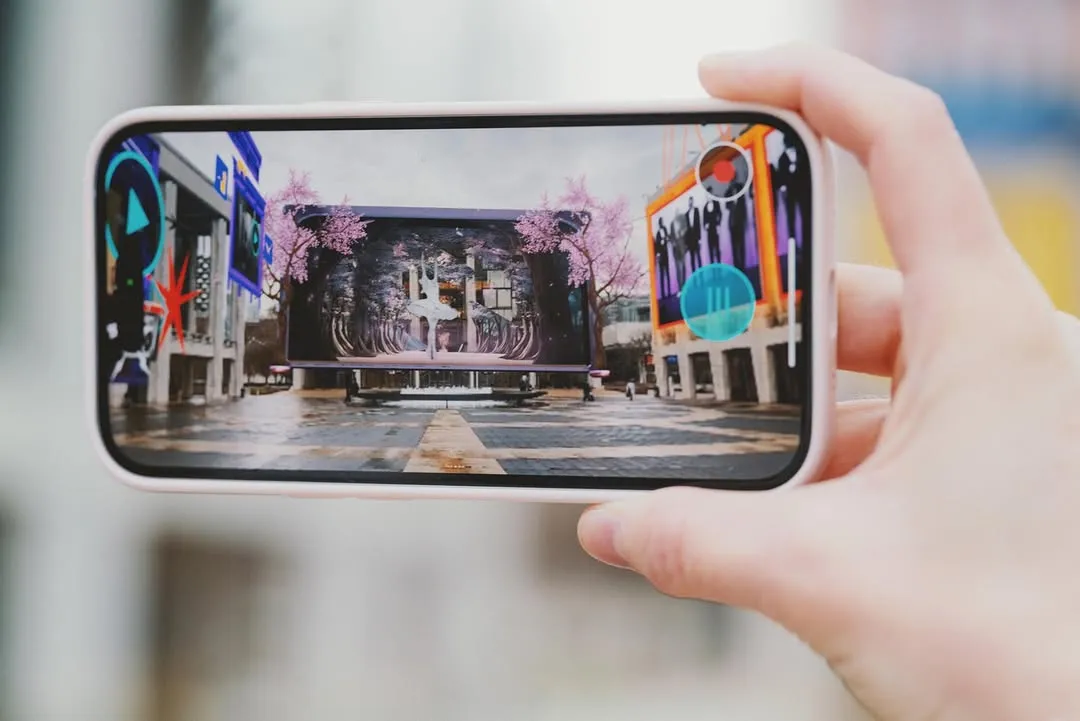
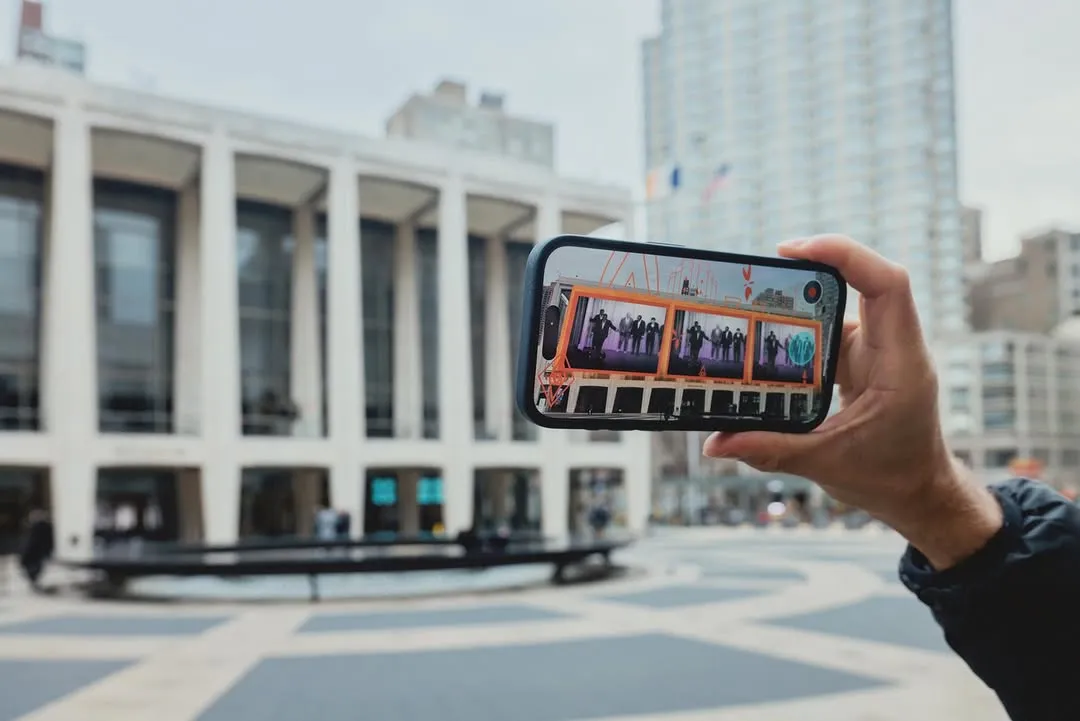
Archive of Dance draws from the Jerome Robbins Dance Division's film archive at the New York Public Library for the Performing Arts. The experience projects a century of movement onto Lincoln Center's facades, allowing visitors to encounter dance heritage in the public spaces where New York's performance culture continues to evolve.
The Archive
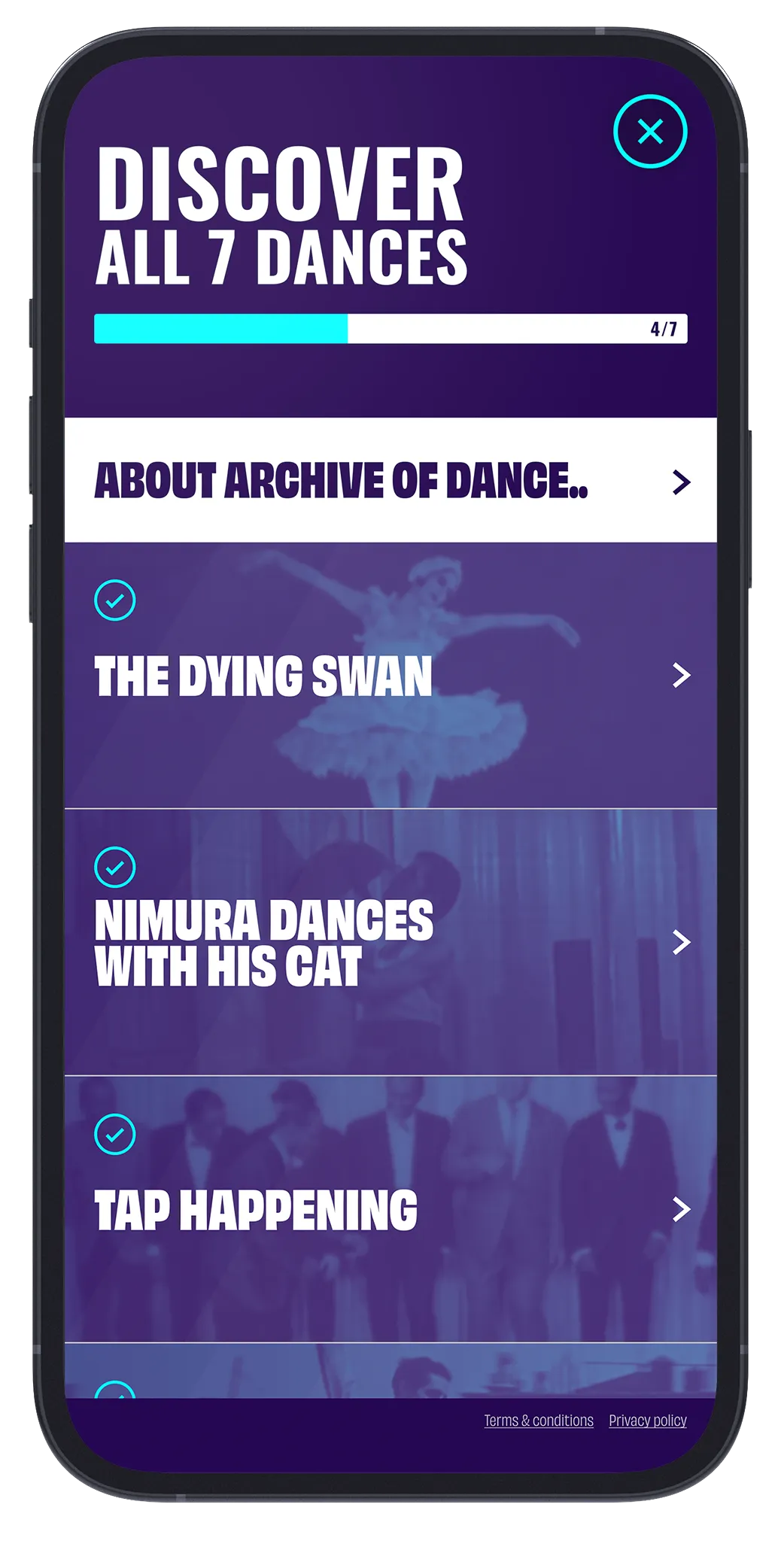
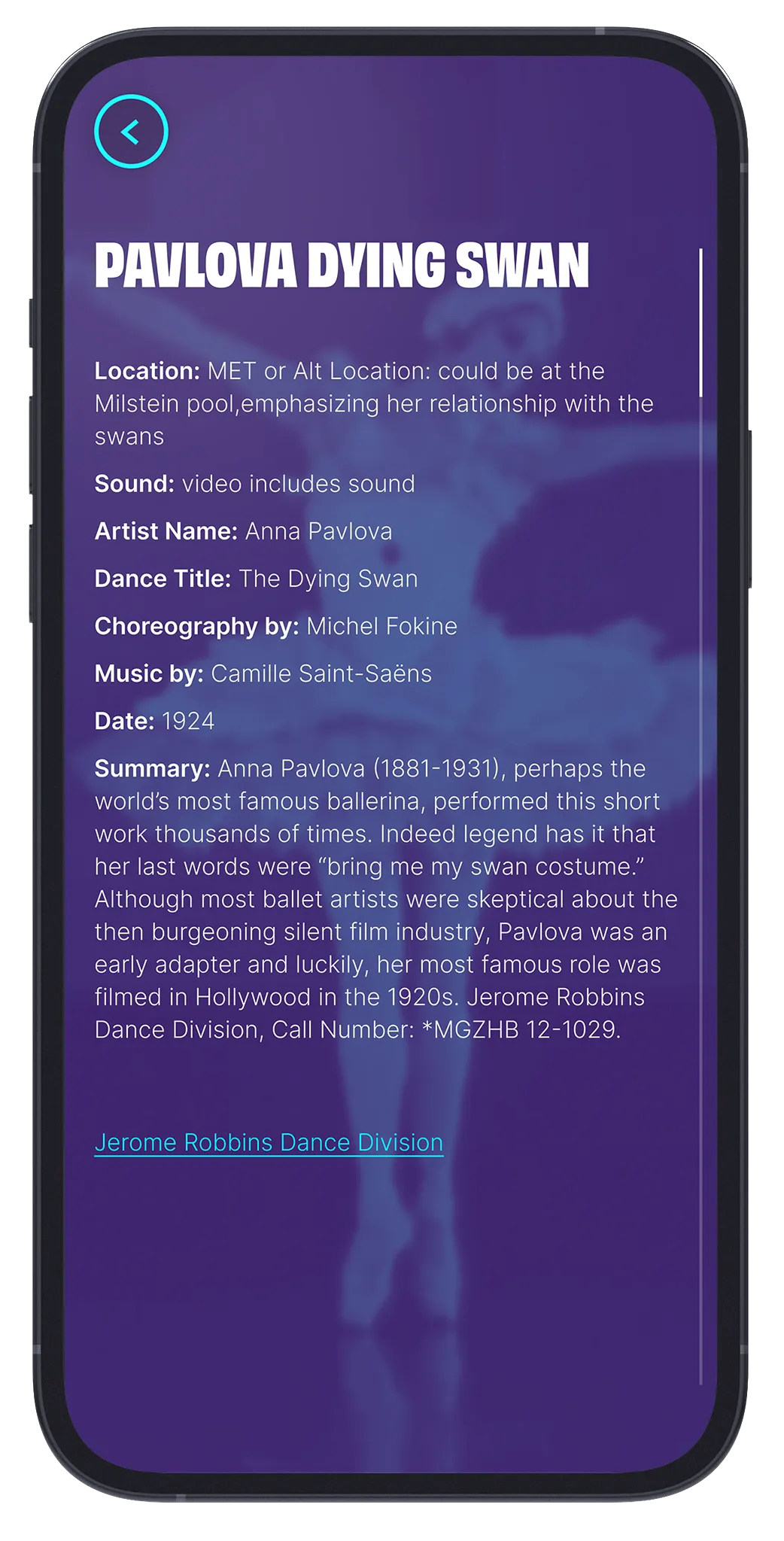
The selected footage was chosen for both its historical significance and its potential for spatial storytelling. Digitally restored and colour-graded, the archive spans Anna Pavlova's 1924 Dying Swan, the 1969 tap jam Tap Happening, Indrani Rahman's 1975 Odissi revival, the Rock Steady Crew's 1981 breakdance battle on this same plaza, and a 2021 eco-performance on Governors Island.
Digital Twin
EyeJack built a high-fidelity digital twin of the Lincoln Center campus to plan and position AR content. Using the same geospatial coordinates as the physical site, this virtual replica could stream the experience directly in a web browser. During production it served as an internal tool for the creative team, while also establishing a foundation for remote audiences to explore the plaza virtually.
Spatial Mapping
Using LiDAR scanners and 360-degree cameras, we created a centimetre-accurate spatial map and digital twin of the Lincoln Center campus. The campus constantly changes, so we developed a streamlined mapping workflow that allowed the team to rescan and update the digital twin as the site evolved.
Archive of Dance App
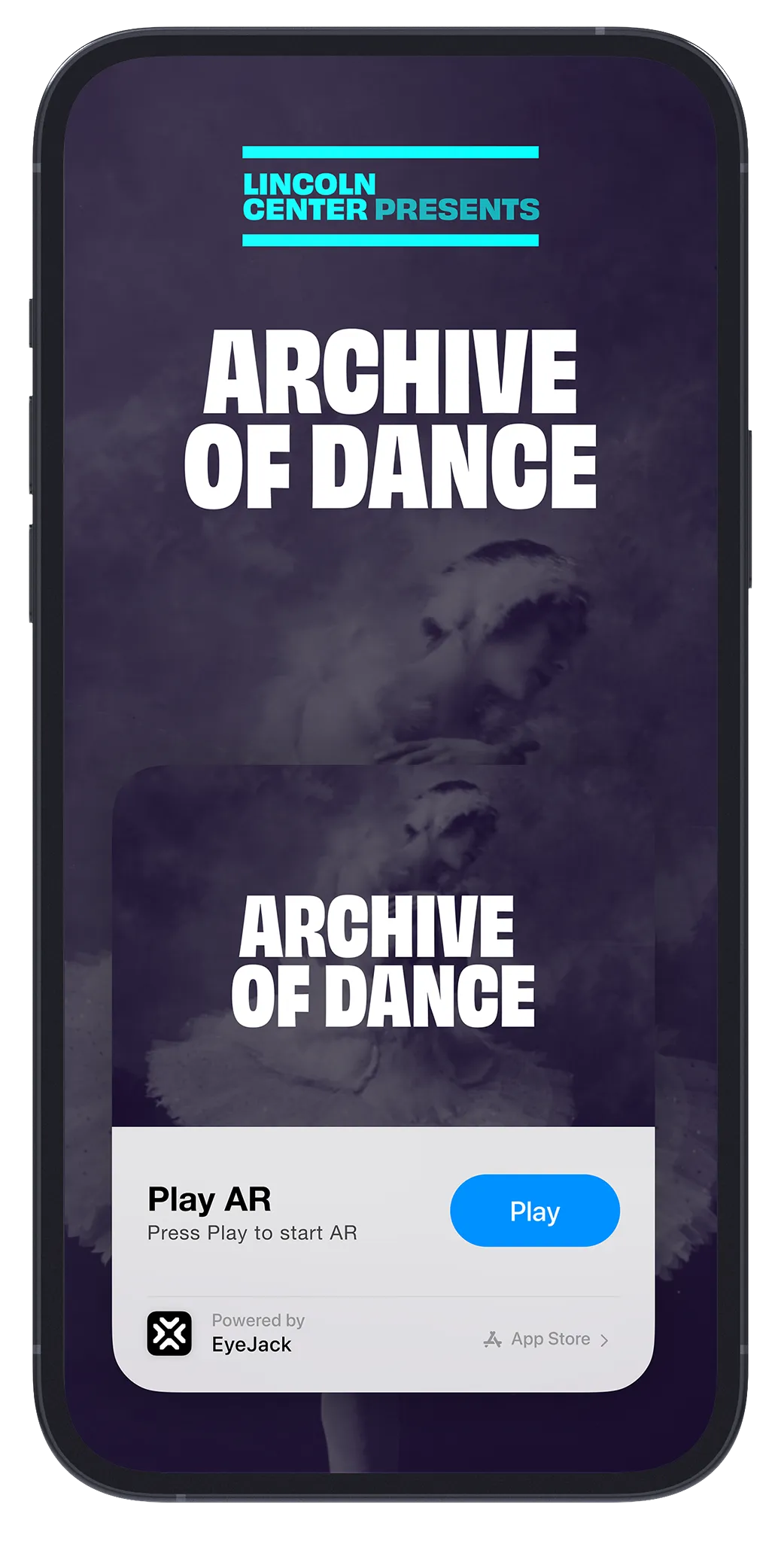
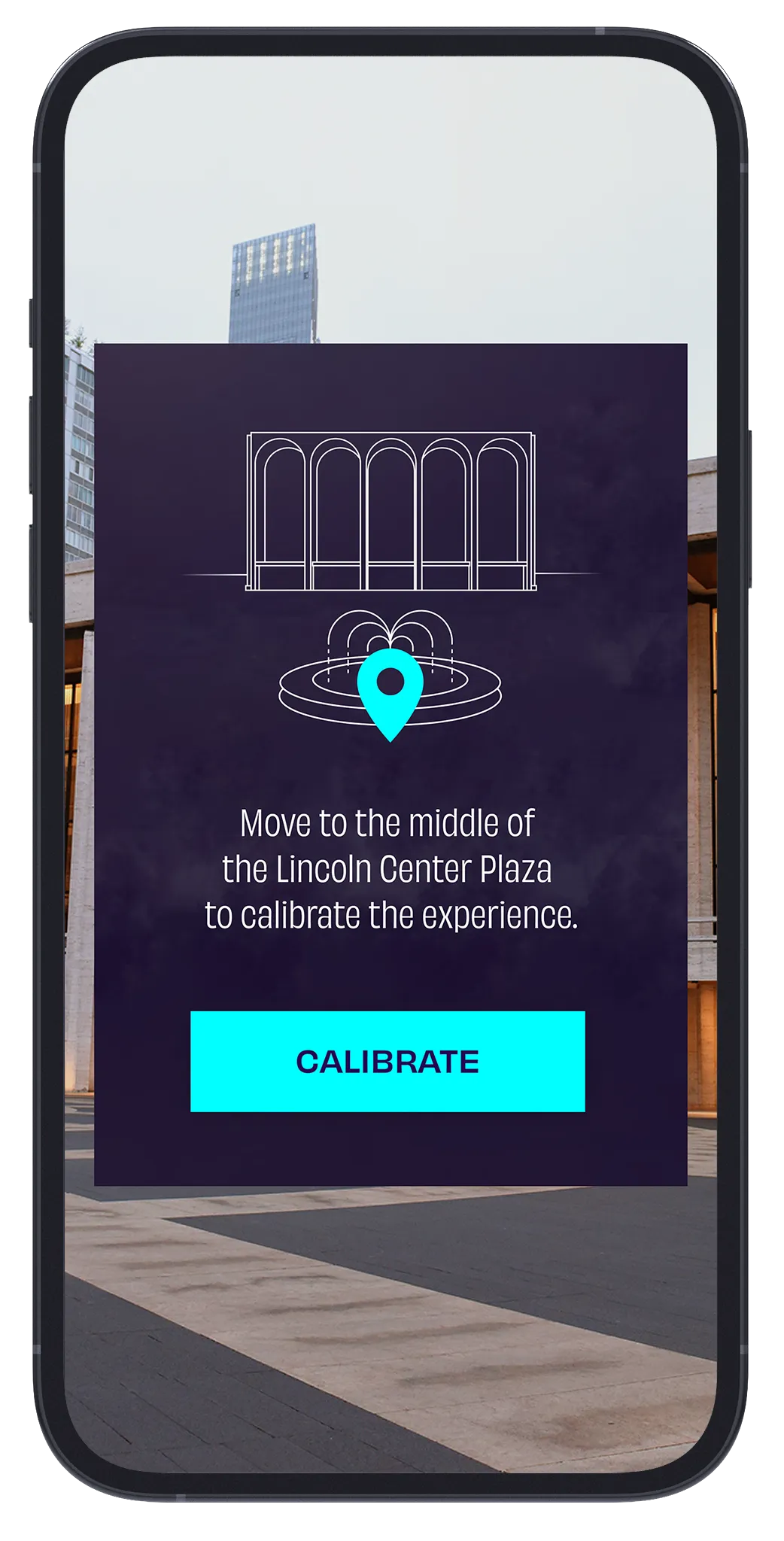
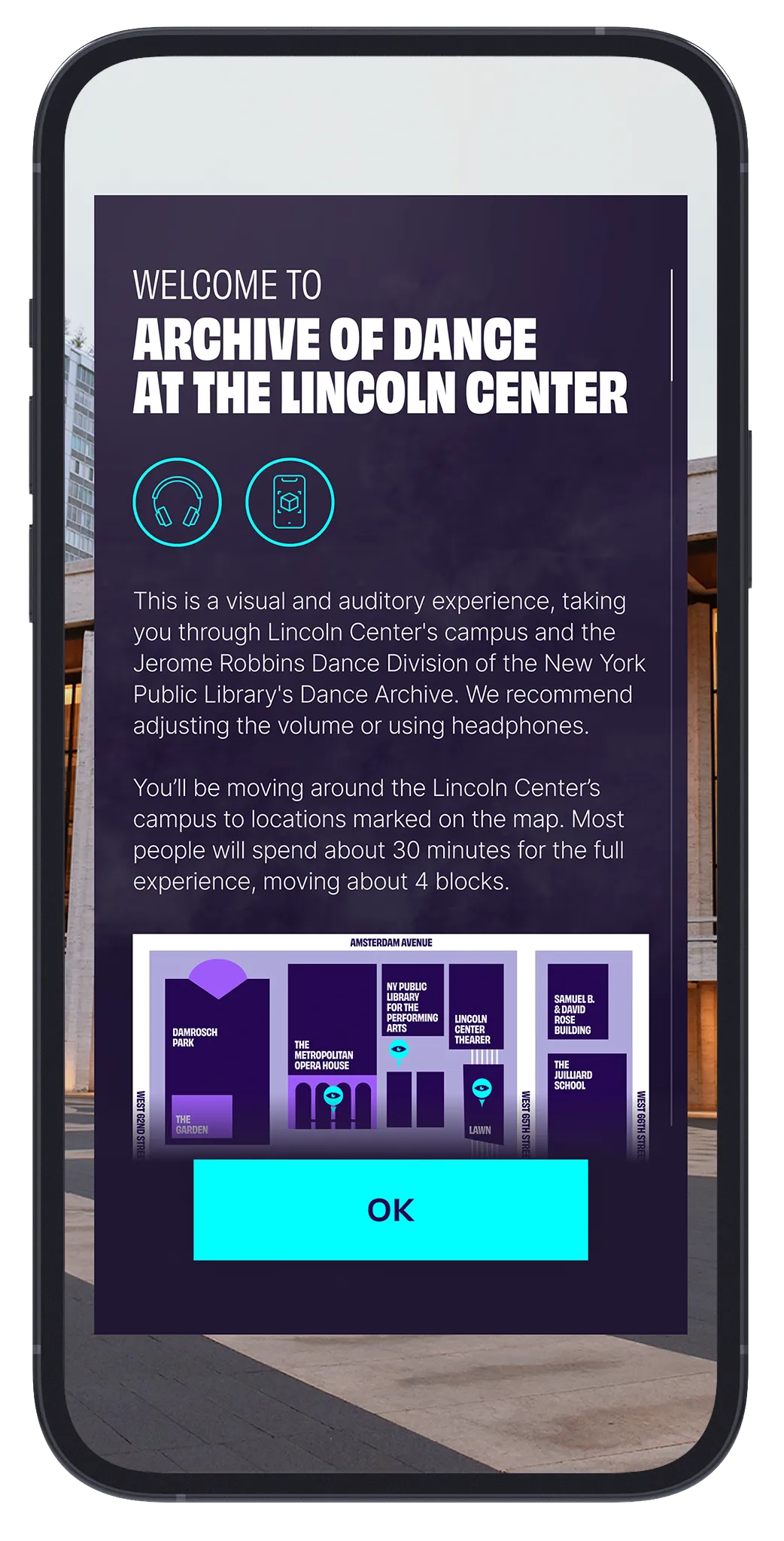
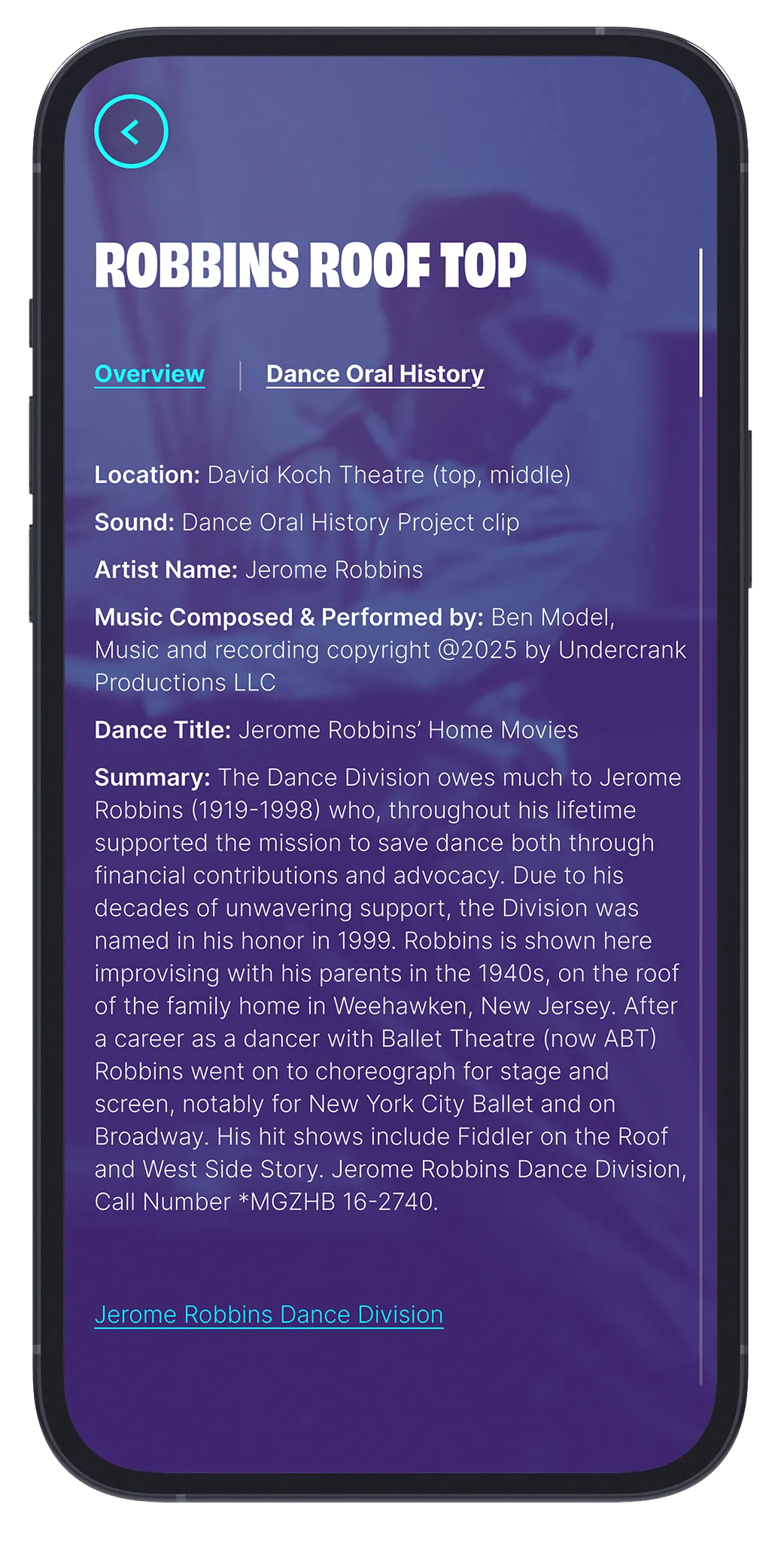
The Archive of Dance app was designed as a web experience, using WebXR to deliver native AR quality directly in the browser. Visitors are guided to the centre of the plaza, complete a short calibration sequence, then unlock seven archival film pieces as they move through the space. The interface follows Lincoln Center's brand guidelines and supports accessible public use.
Our Echoes Be Bloom
Our Echoes Be Bloom is a poetic augmented reality installation by Mahogany L. Browne, Lincoln Center's inaugural Poet-in-Residence. The work turns Josie Robertson Plaza into a living poem, where words drift across architecture and space in a dance of light and language.
The Poet
Collaboration
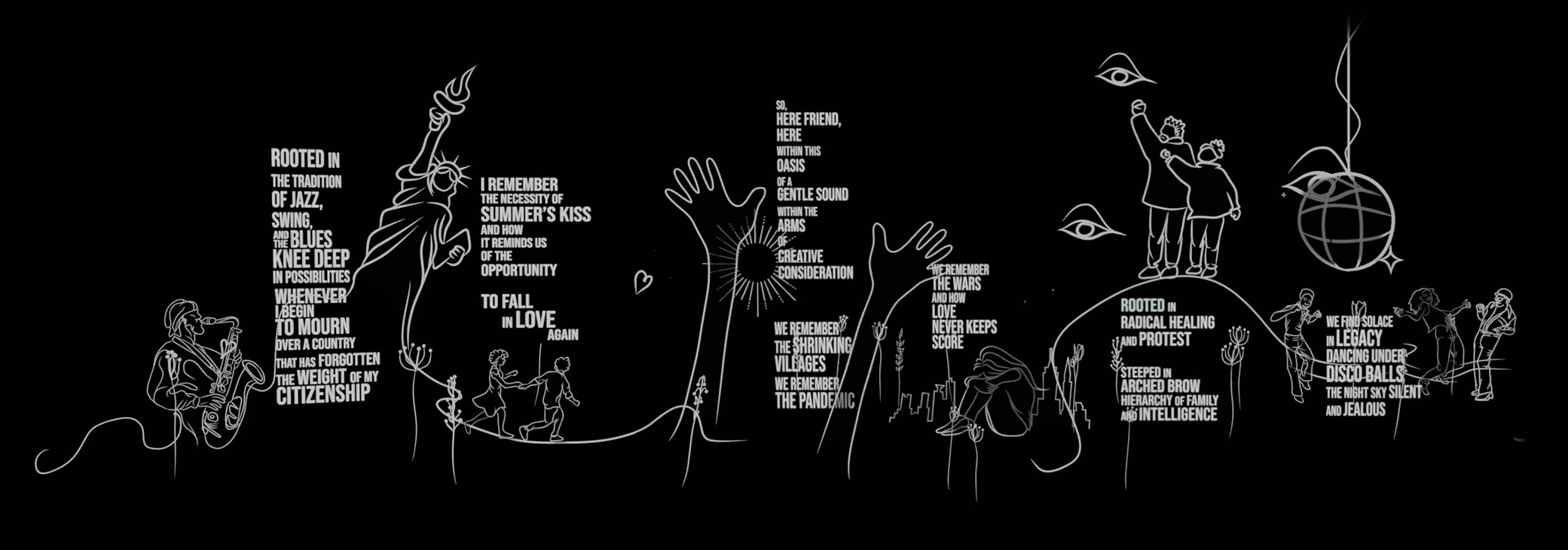
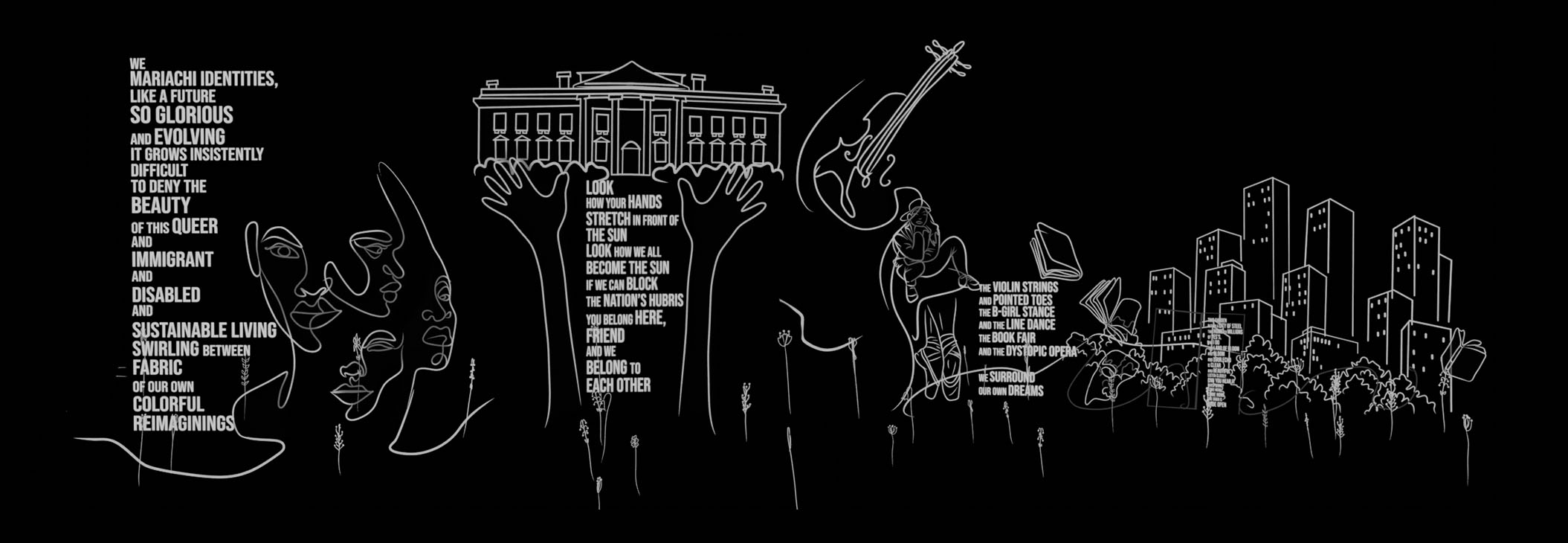
Sutu collaborated with Browne to transform Our Echoes Be Bloom into an immersive AR installation that unfolds across the plaza. Using the site's architecture as a canvas, the poem's verses and hand-drawn animations bloom in space, turning words into living forms that invite reflection, connection and wonder.
Experience
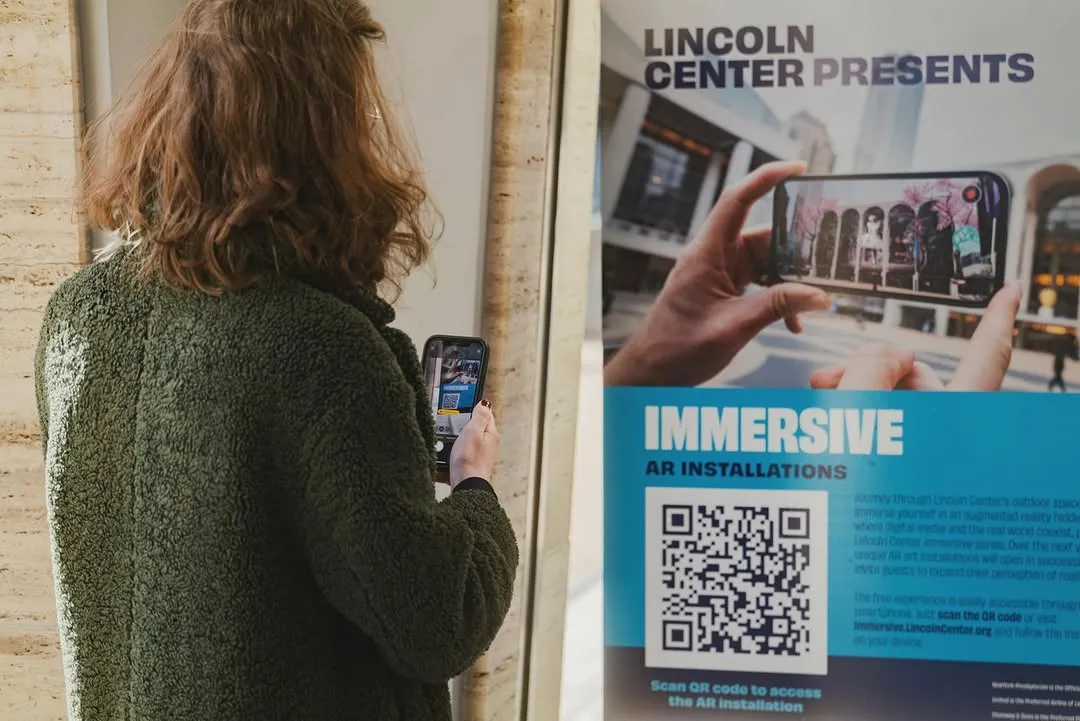
Visitors access Our Echoes Be Bloom by scanning a QR code onsite at Lincoln Center. Once launched in their mobile browser, the AR installation reveals verses of Browne's poem woven across the plaza. When visitors point their camera towards part of the poem, the verse animates and plays Browne's voice reciting the work. Soft blue highlights trace the words in sync with her reading, helping visitors follow visually while listening. The experience also includes a full audio tour narrated by Browne and integrates ARIA tags for screen reader compatibility.
Our Echoes Be Bloom App
Like the other Lincoln Immersive works, Our Echoes Be Bloom was designed as a web experience. Visitors are guided to the front of The Metropolitan Opera House and taken through a short calibration sequence while the Visual Positioning System locks onto surrounding buildings. Once calibrated, the poem appears across the plaza.