Heritage Interpretation
Connecting people, stories and places
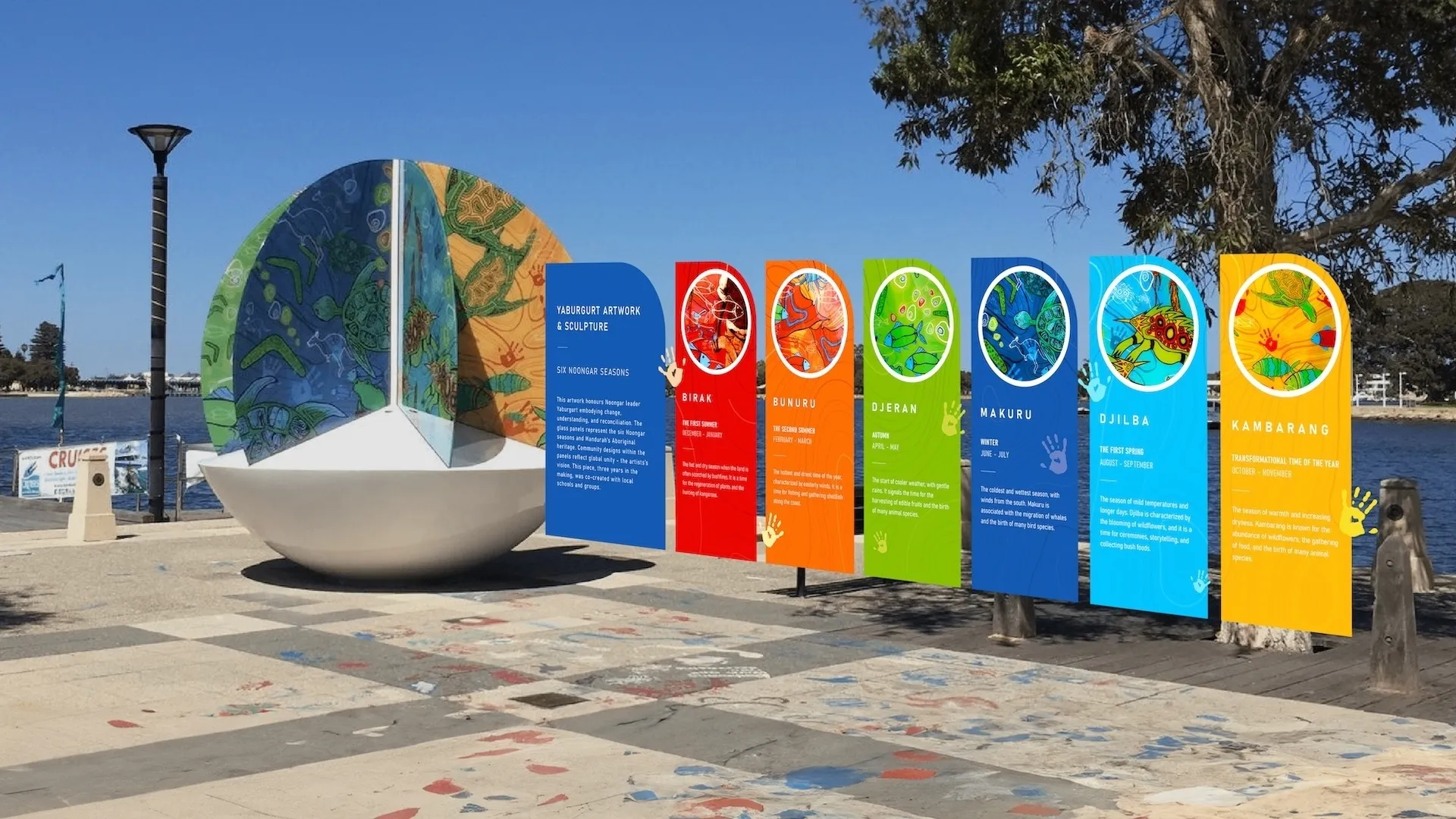
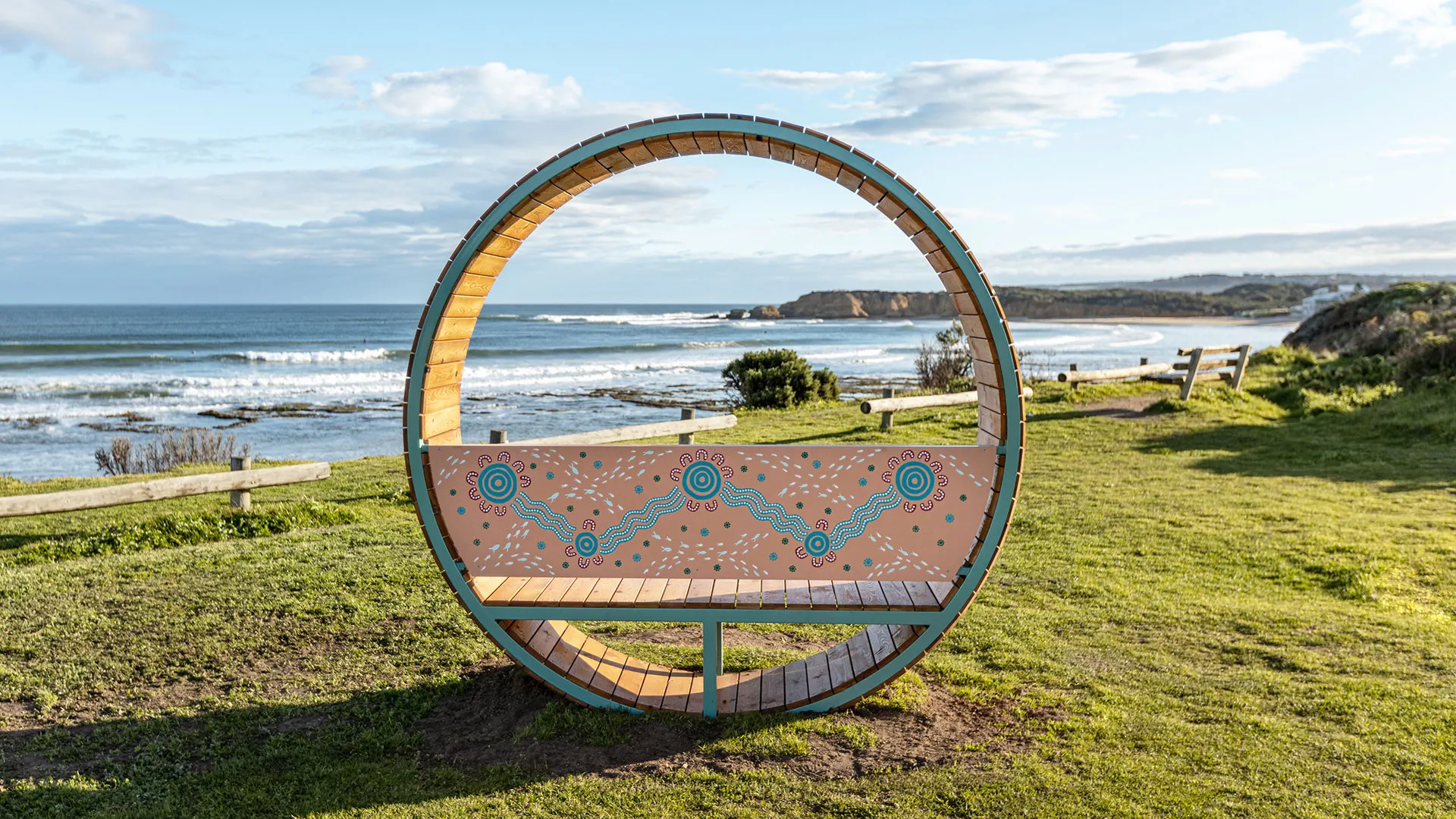
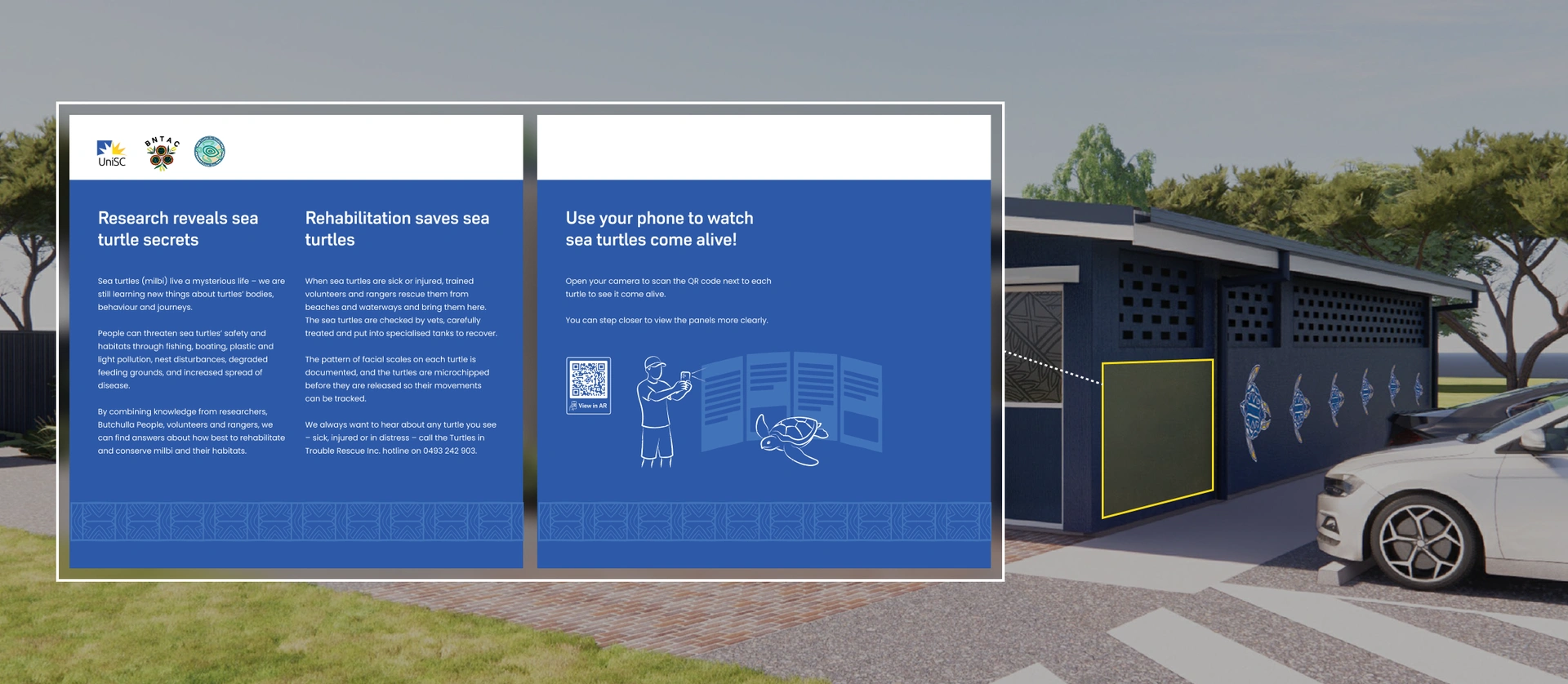
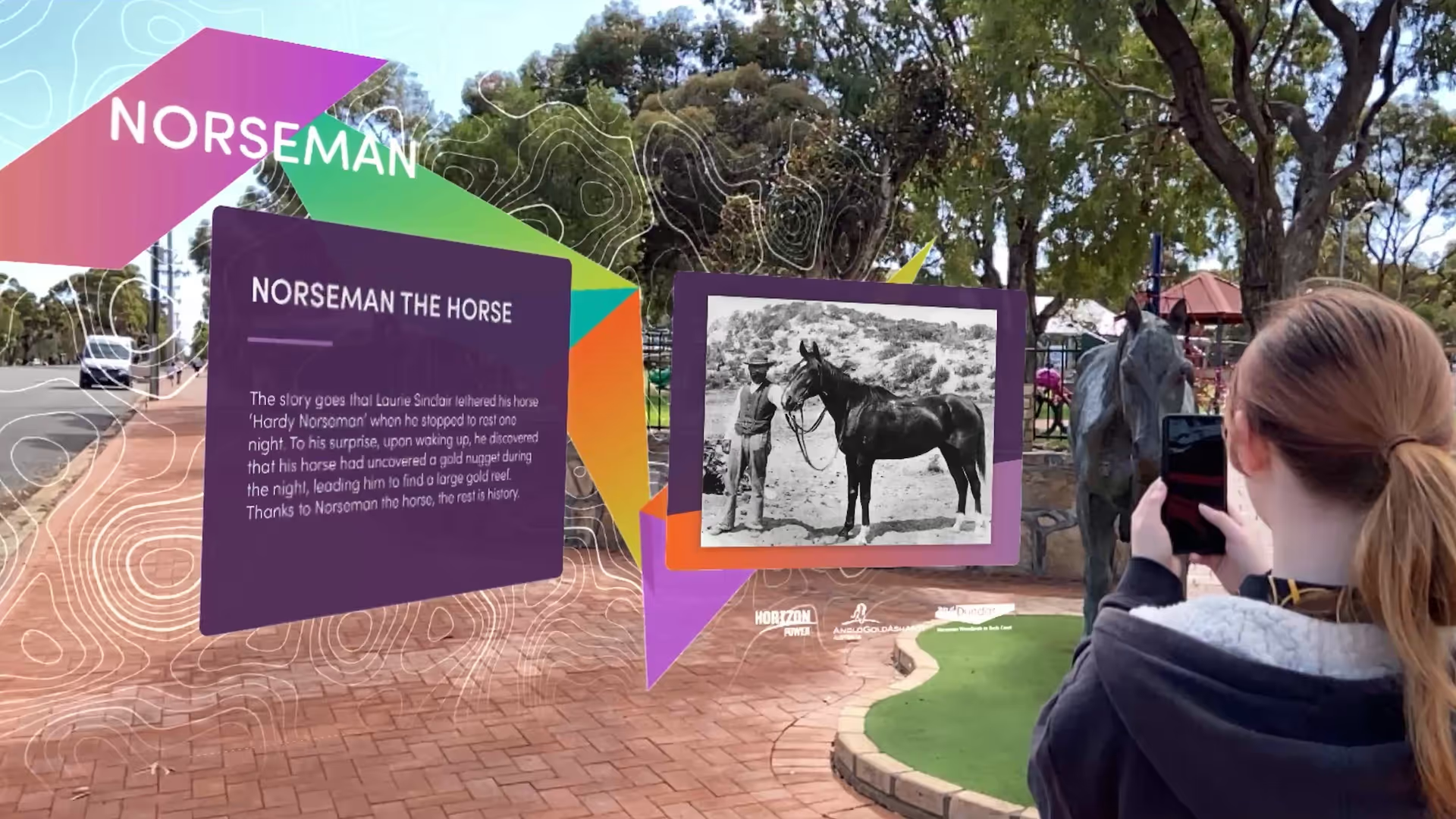
Interactive technology creates exciting opportunities to bring stories back to where they happened. Using proven approaches, from the phones visitors already carry to the signs, artworks and landmarks around them, we choose the format that best tells each story, creating experiences that are engaging and inclusive, reach new audiences and give people a reason to linger and return.
The Digital Companion
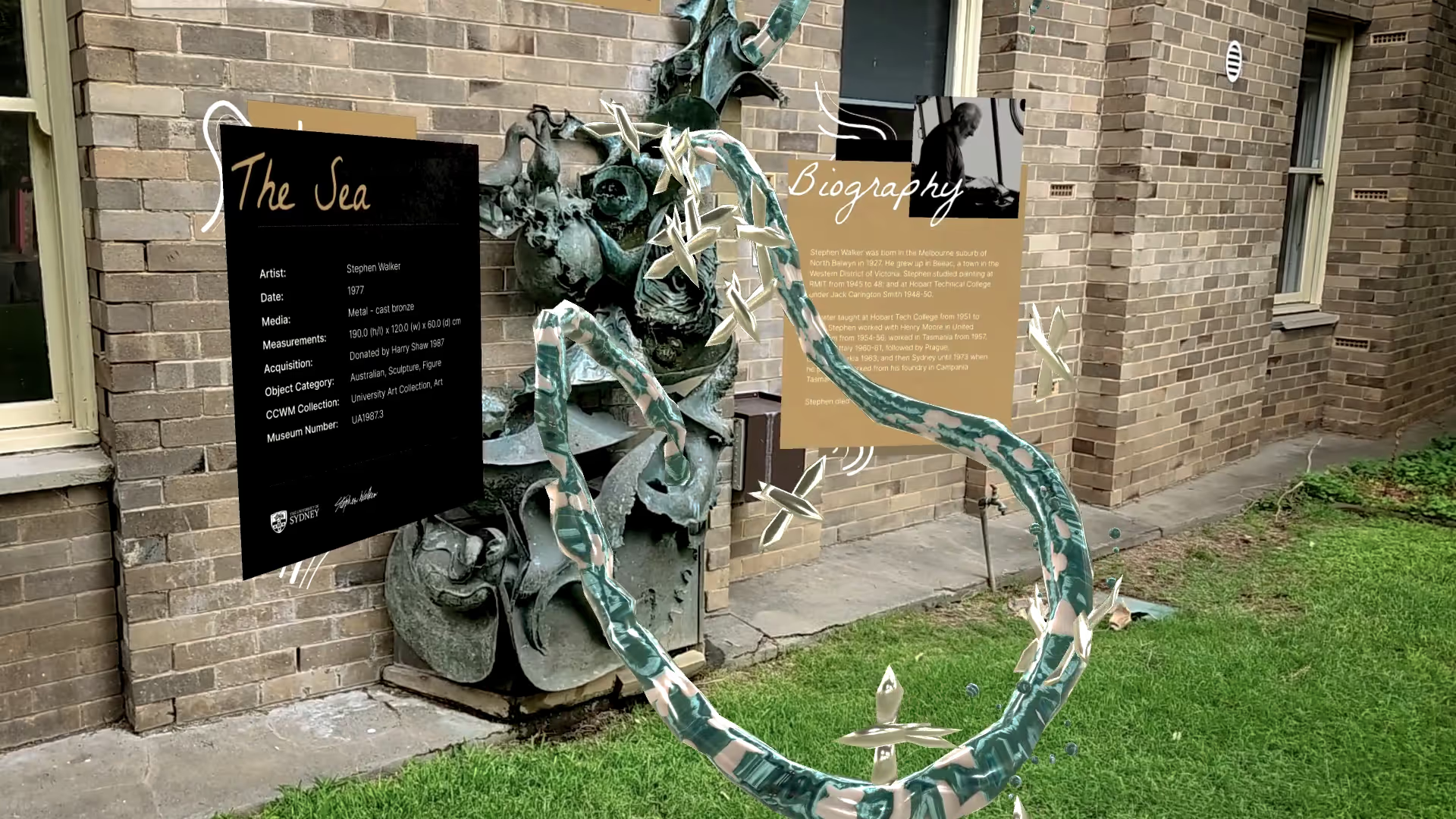
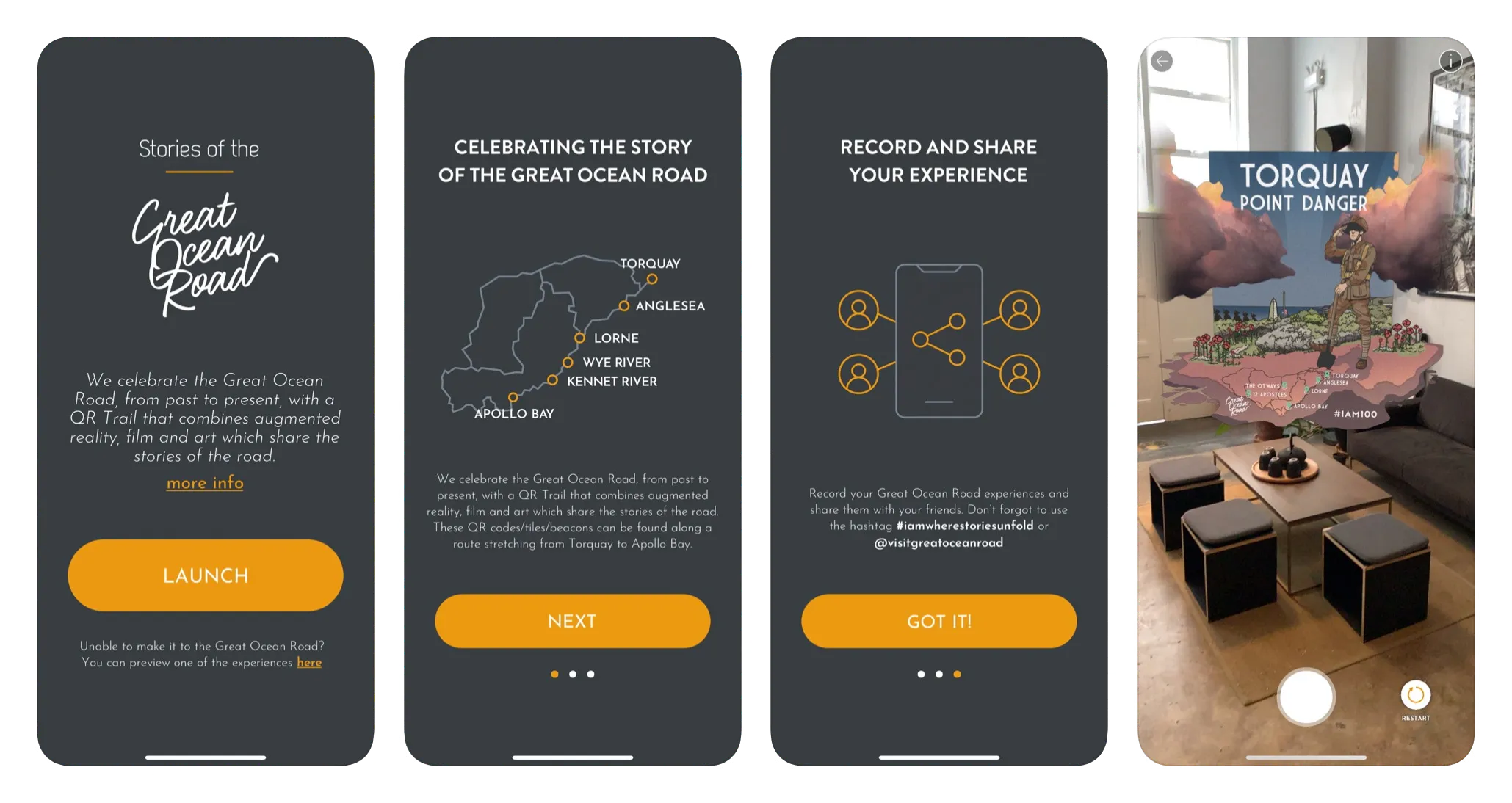
A digital companion is a mobile guide that links heritage sites into one connected journey, helping visitors explore at their own pace and find stories they would otherwise walk straight past. Visitors can orient themselves on a map, choose a stop and discover the story of the place in front of them. Each location brings together practical access information, historical context, archival images and deeper interpretive experiences.
We design the whole journey, connecting physical markers, location pages and immersive moments into a coherent trail. It can start with a small number of sites and grow as new stories become available. For Stories of the Road, we connected 32 locations along the Great Ocean Road, Australia, through QR plaques, mobile pages and AR storytelling.
Animated Archives
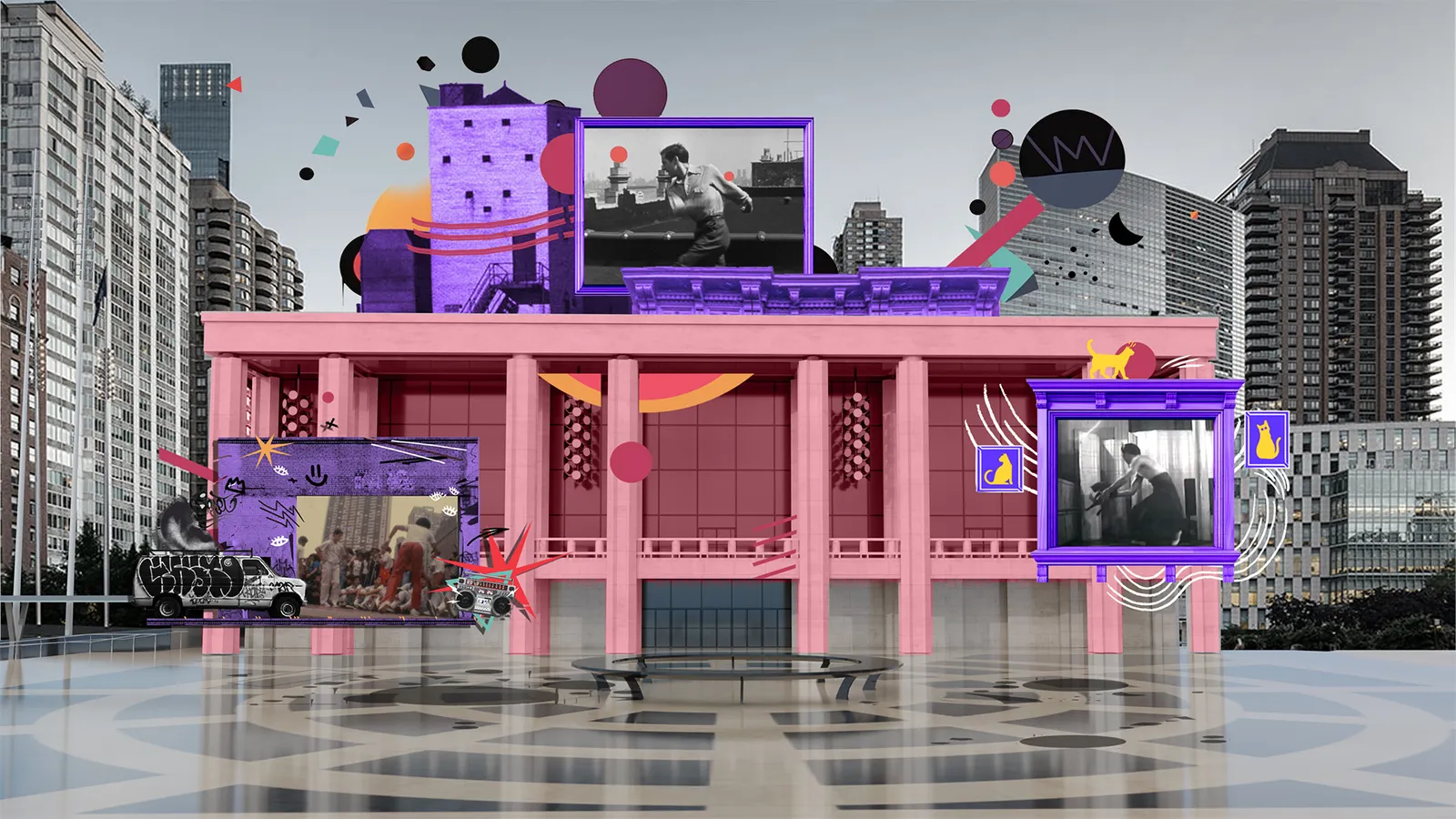
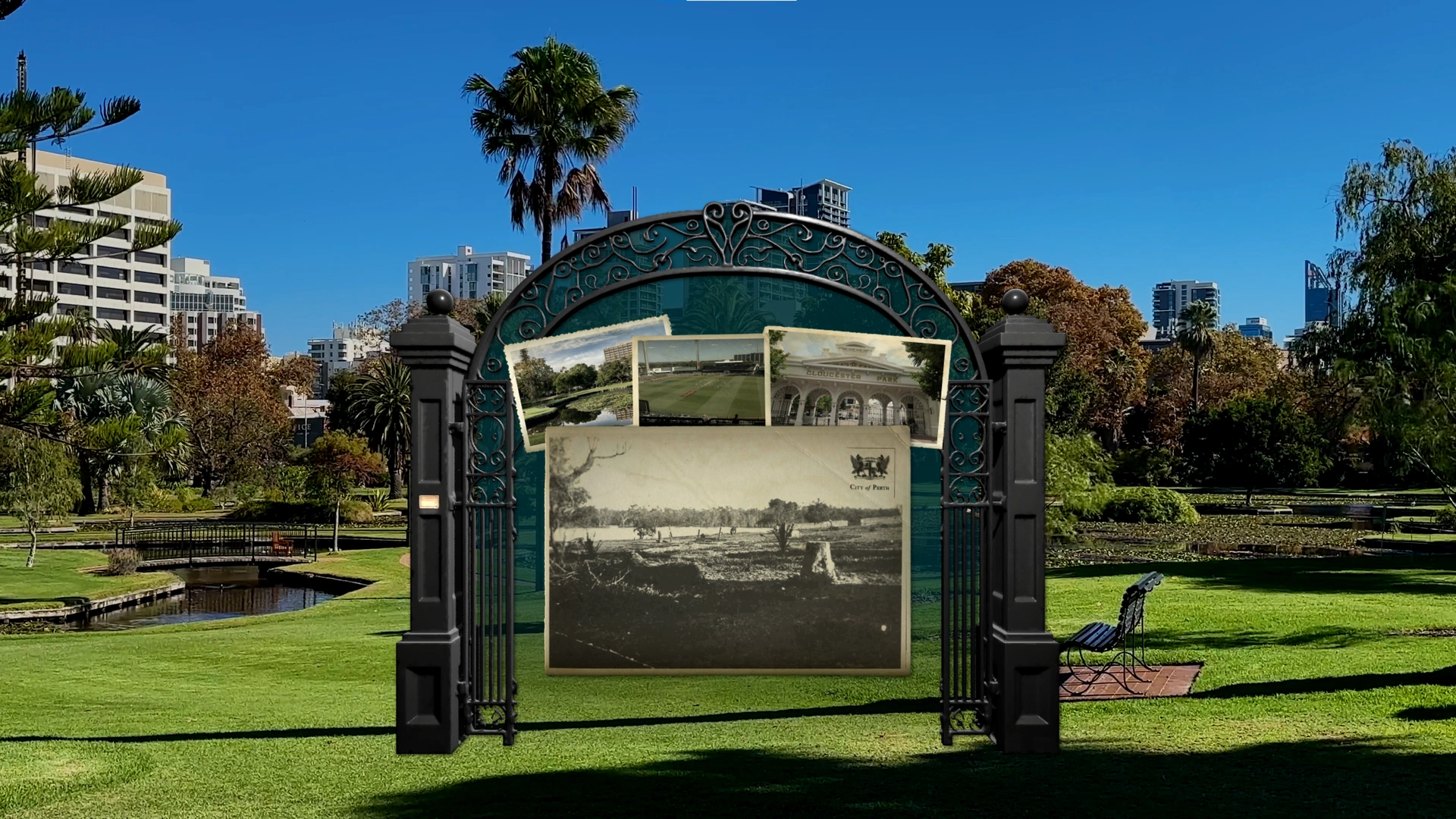
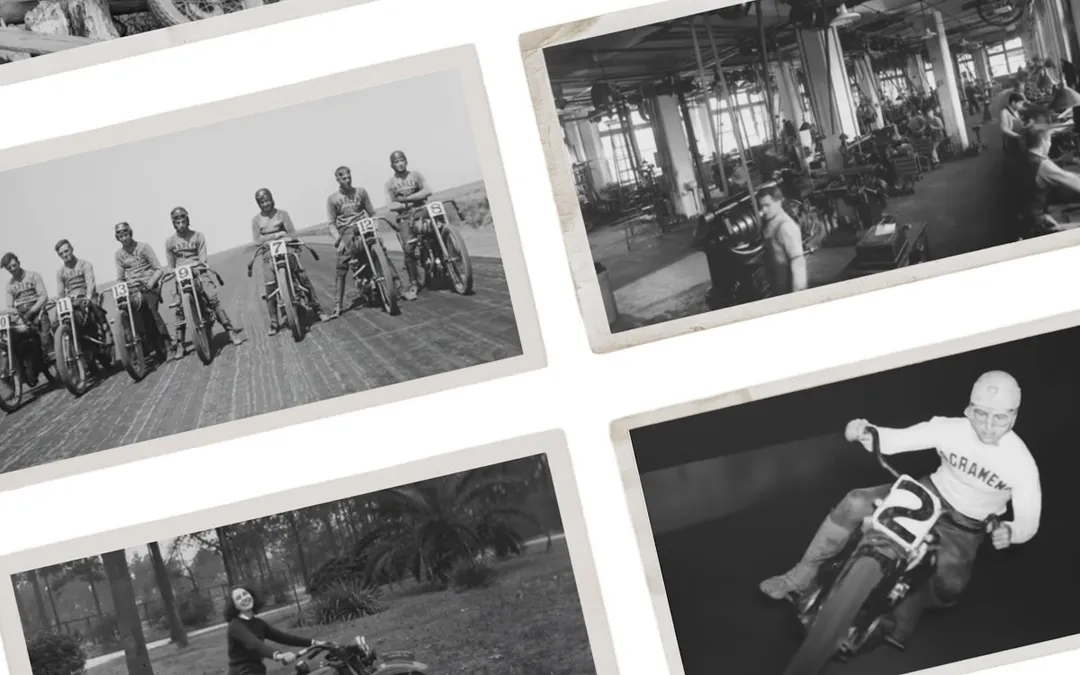
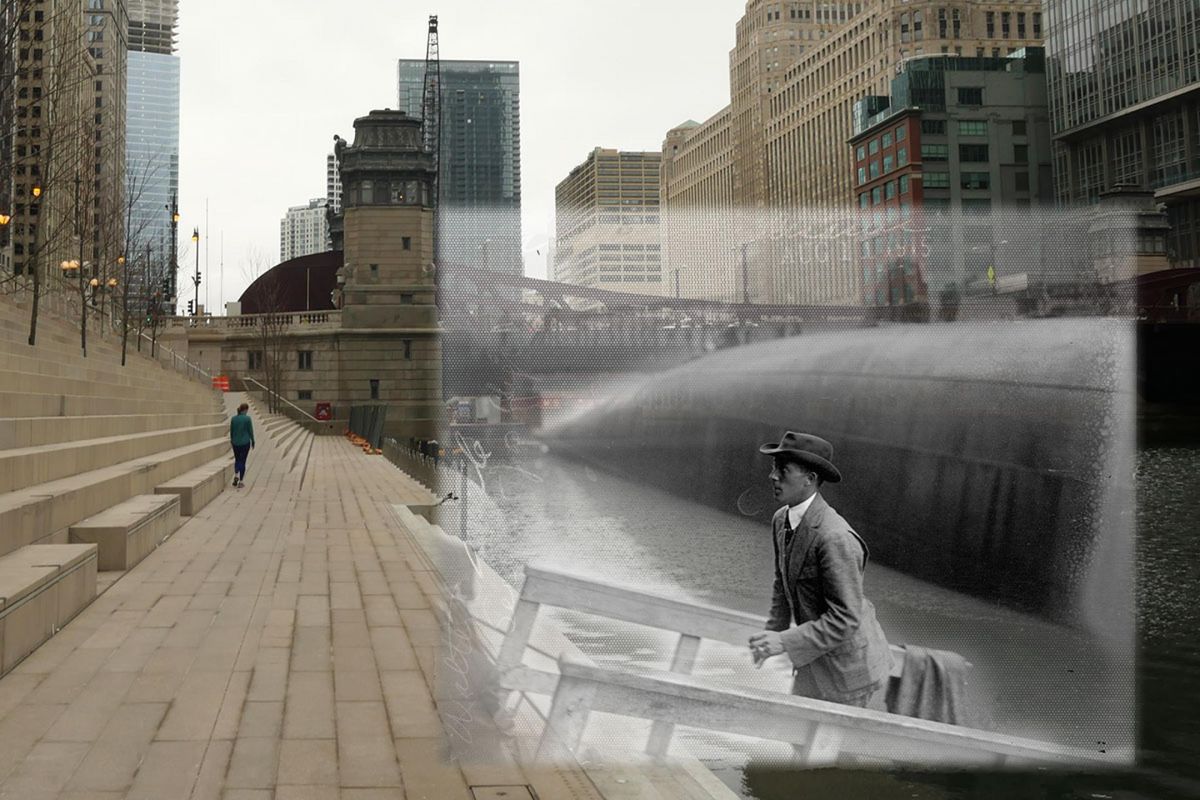
Archival photographs become more powerful when they are returned to the place they were taken. Visitors can compare a historical image with the scene around them, or watch it come alive through animation.
We work from photographs, maps and historical records to create these windows onto the past. For Perth Garden Stories, we brought archival photographs and community memories into four historic public gardens, connecting visitors with the changing landscapes around them.
Life-Size Encounters
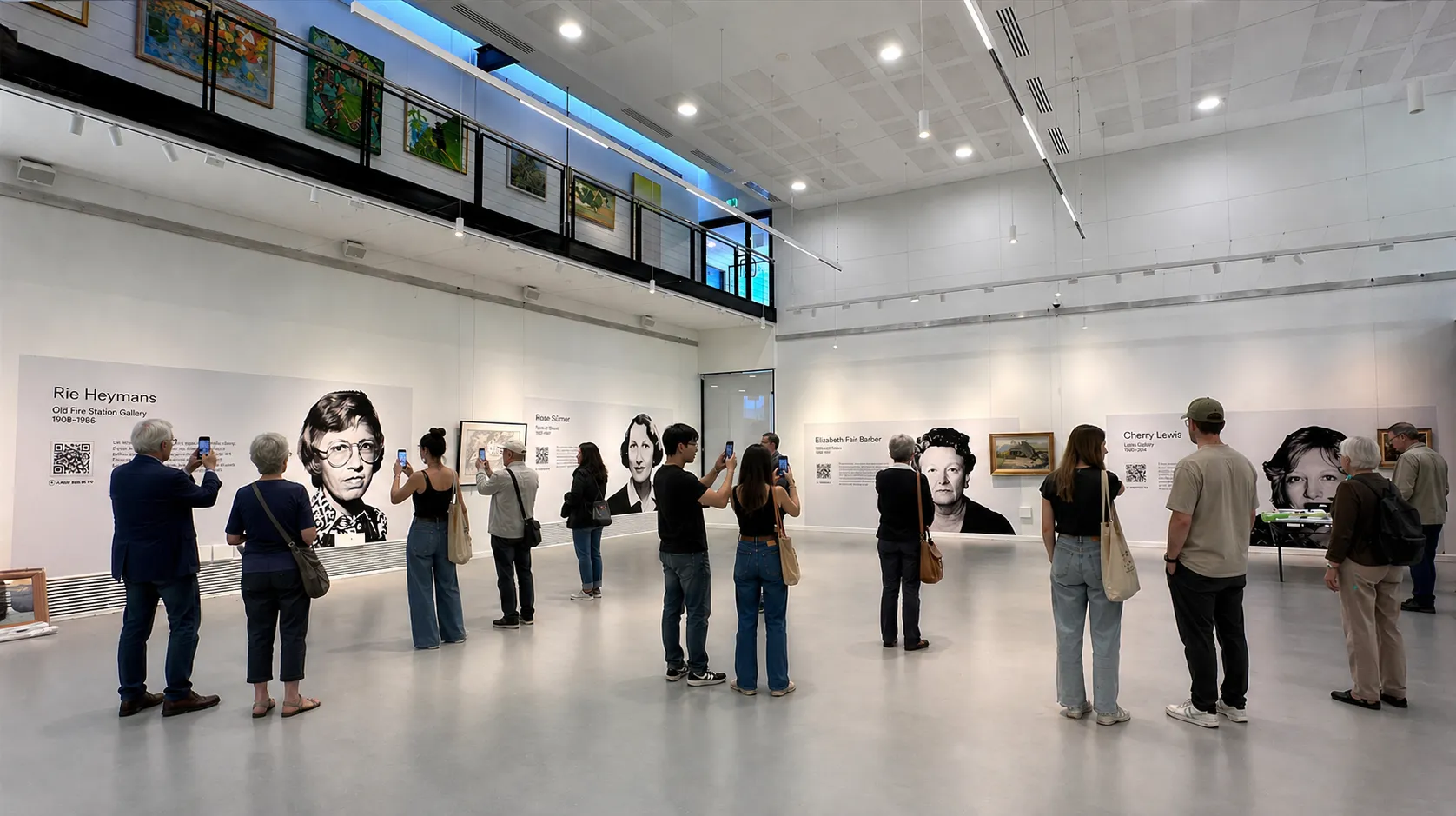
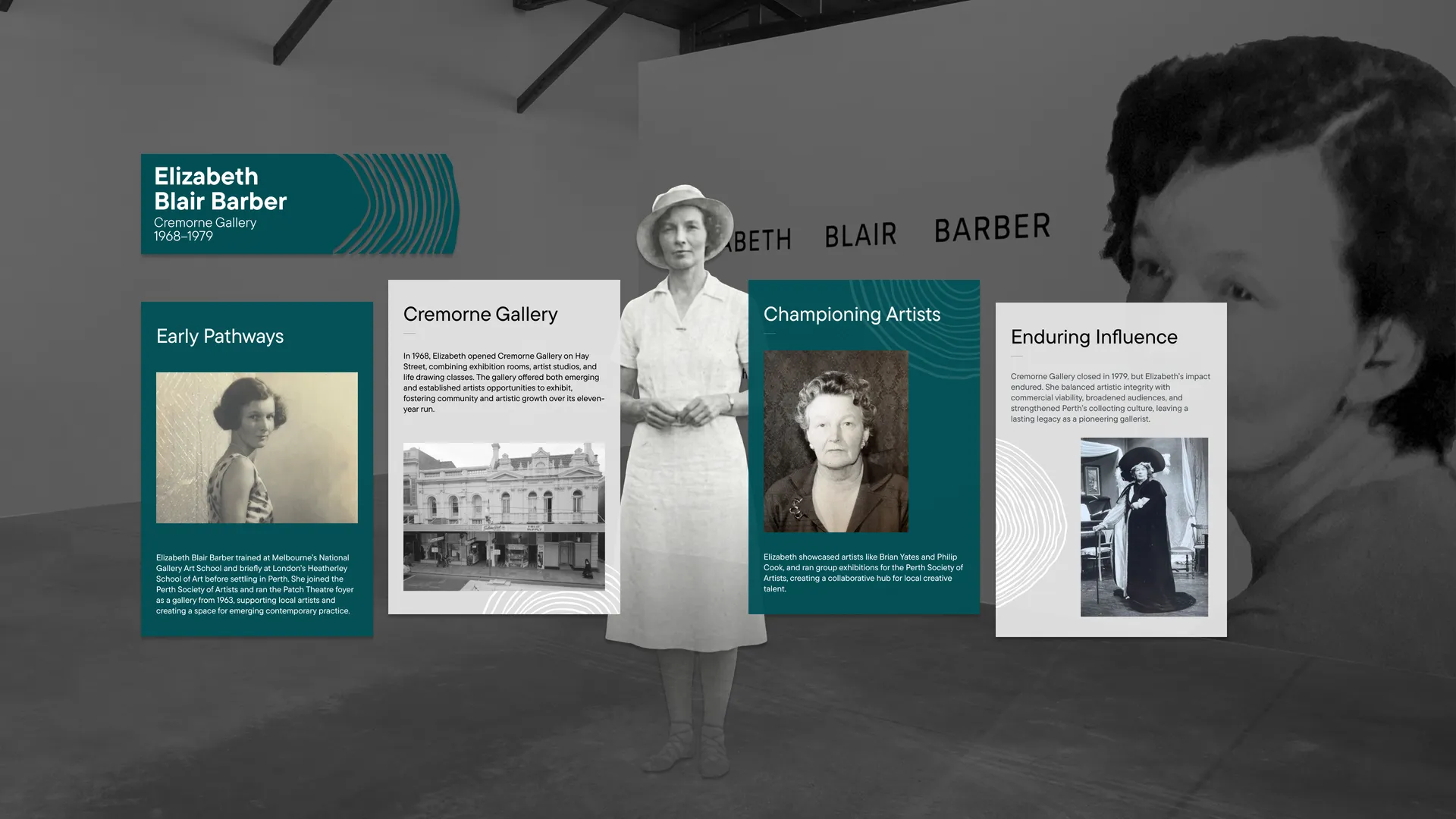
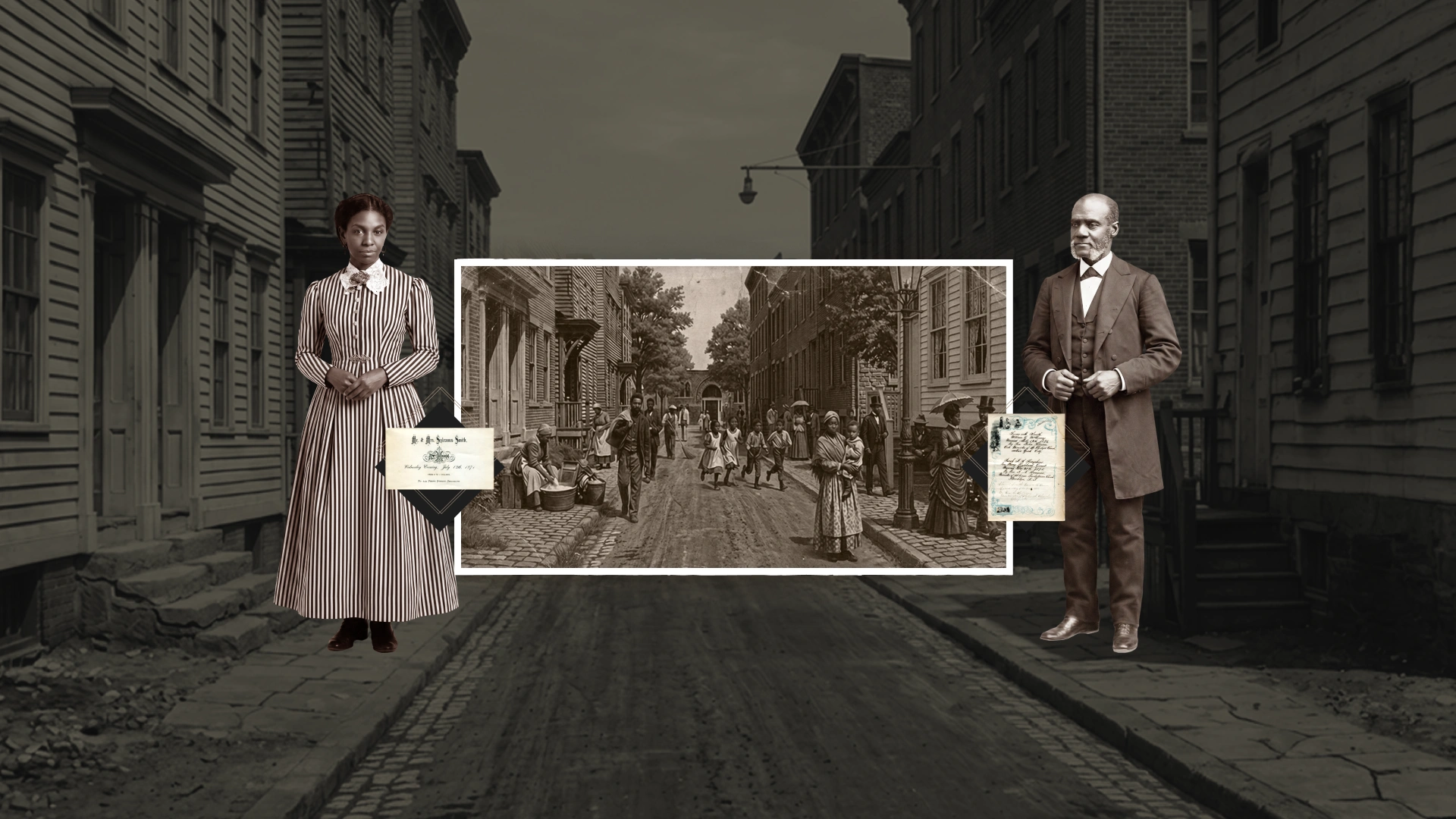
There is a particular power in meeting a story at human scale. Historical figures can appear in the places their lives unfolded, looking out over the same view as the visitor. A portrait can become a life-size presence, accompanied by a voice, archival material or the story of the community they belonged to.
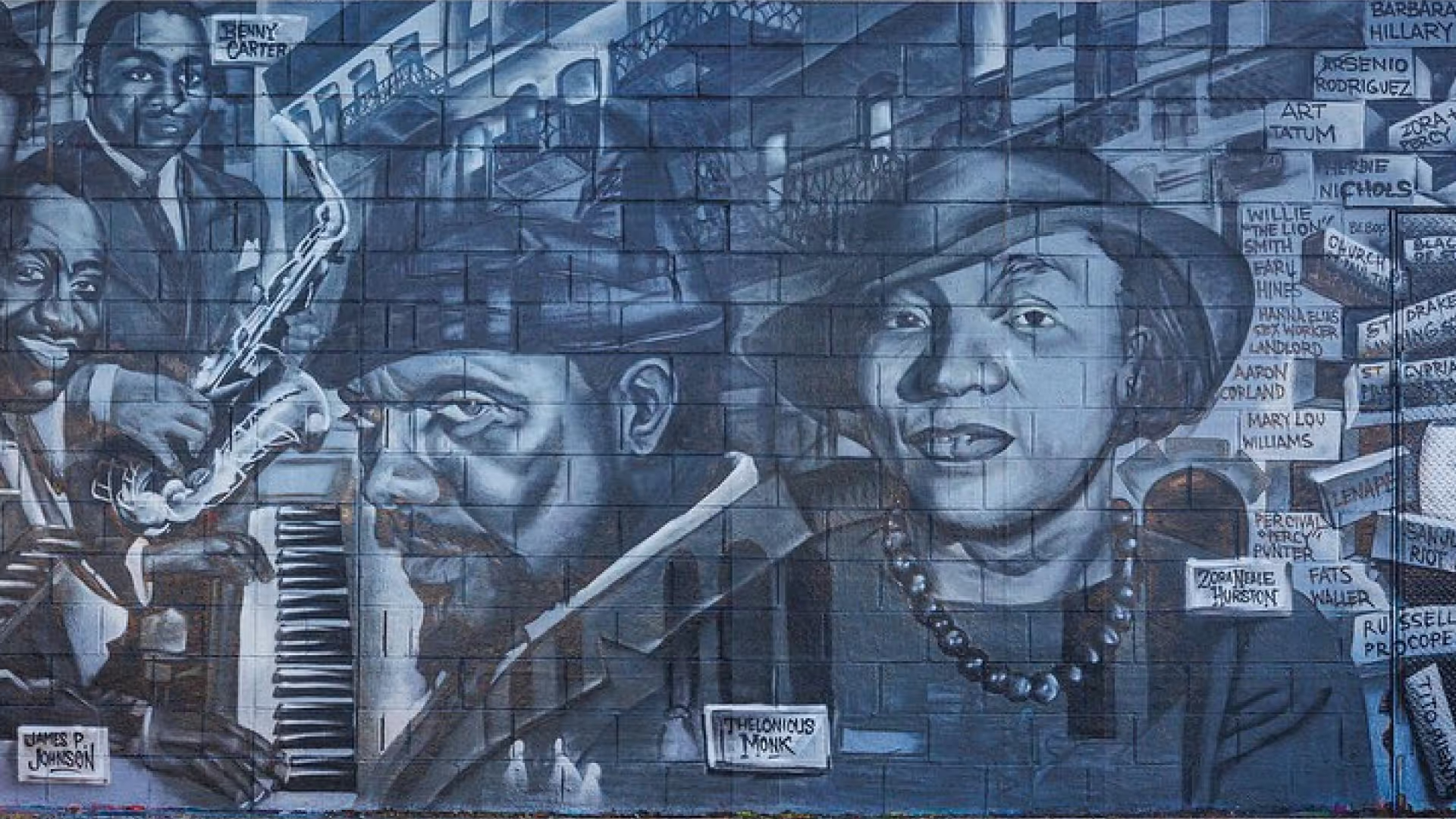
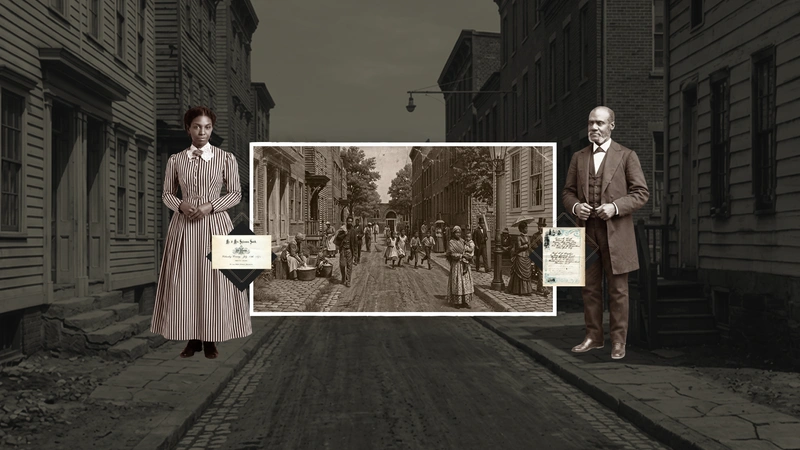
We develop these encounters with historians, curators and communities, drawing on the available record to shape how people are represented. For Pioneering Spaces, we brought four mid-century Perth gallerists back into the gallery from archival photographs. For Mama Joys Walk in Brooklyn, we placed Henry Highland Garnet and Sarah Smith Garnet within reconstructed scenes of their neighbourhood.
Seeing the Past in Place
Digital reconstruction helps visitors connect what remains with what once stood there. A lost building can reappear on its original footprint, at true scale, or an entire street can return through an animated scene.
We use archival photographs, plans and historical research to shape these reconstructions with your heritage team. The experience can reveal how a building was used, how people moved through it and how its surroundings have changed, with interpretation that makes clear what is documented and what has been reconstructed.
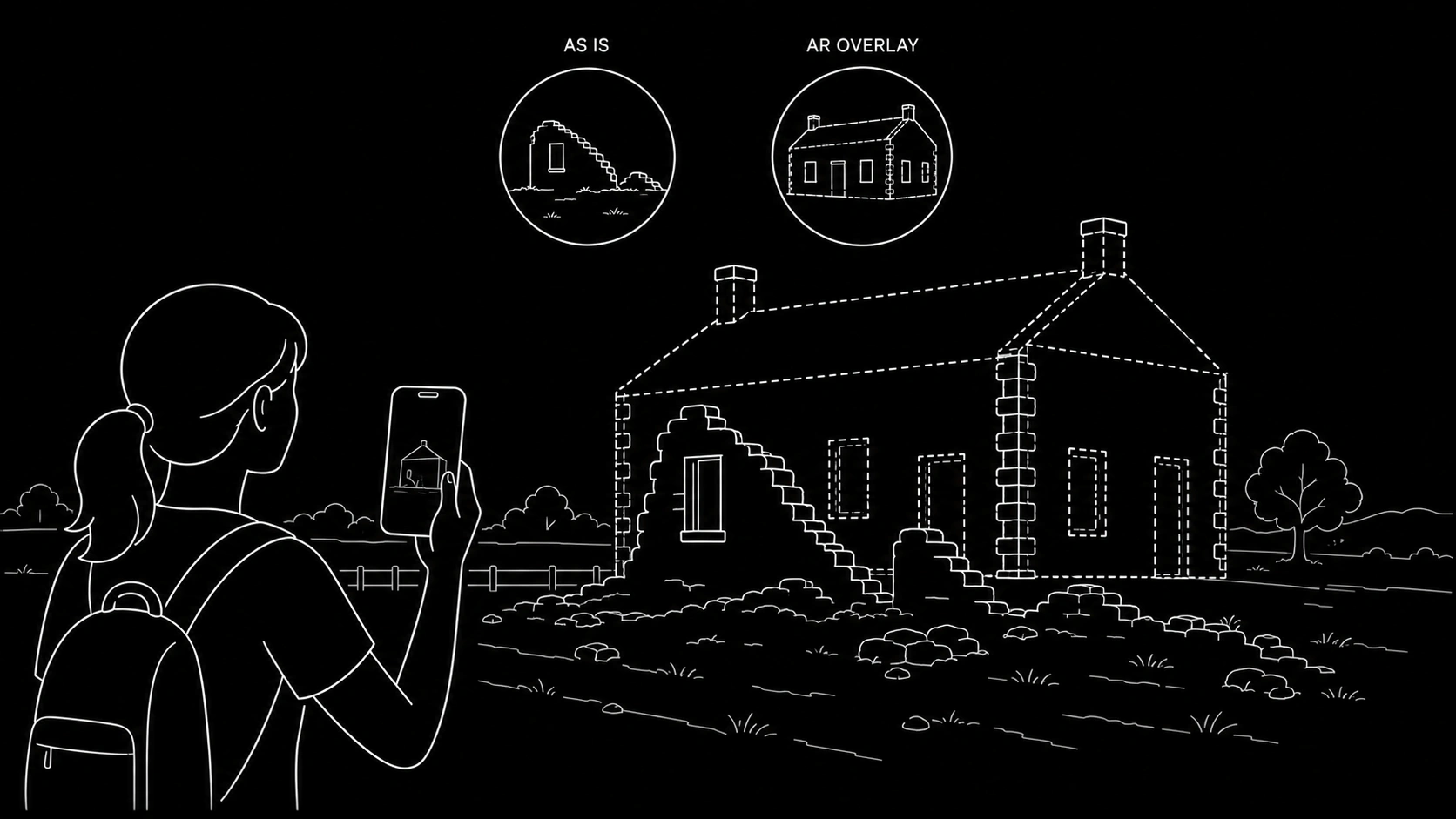
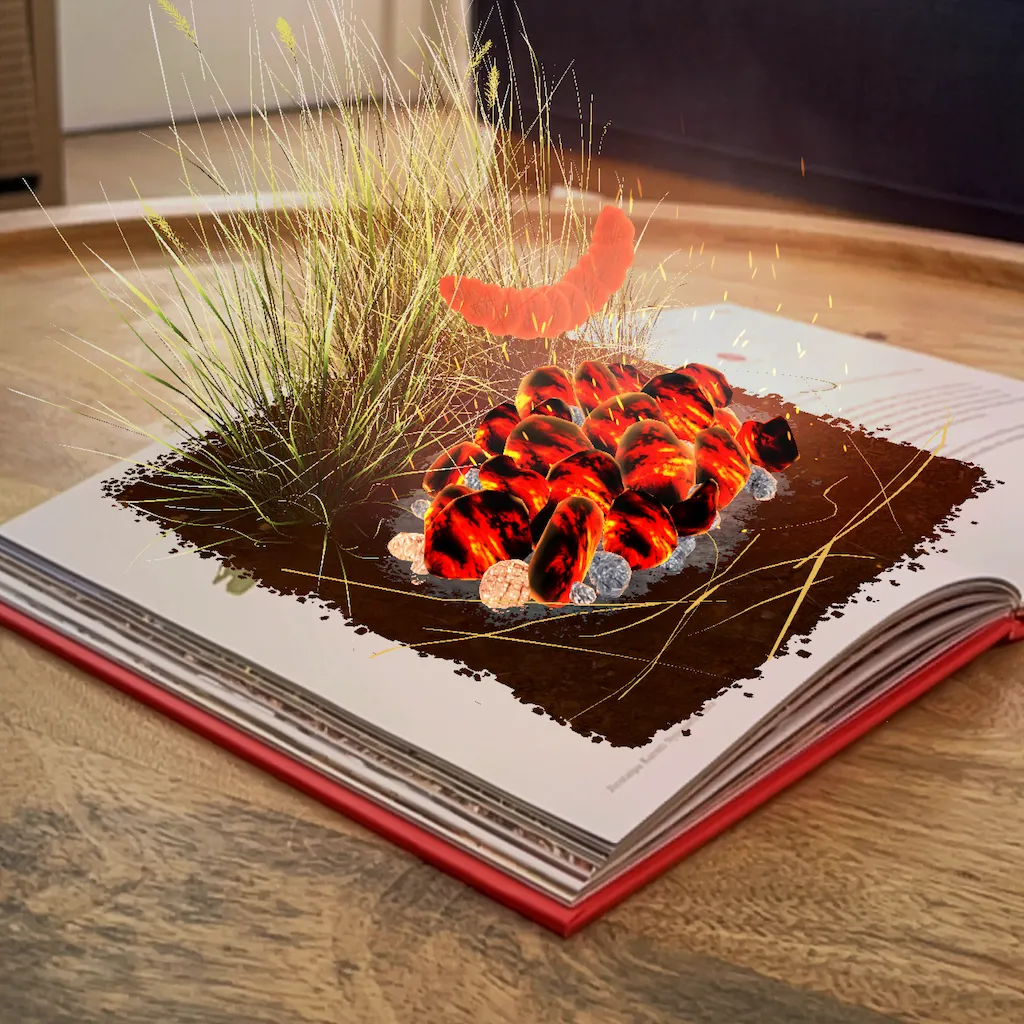
Concept visualisation - rebuilding a lost homestead in augmented reality